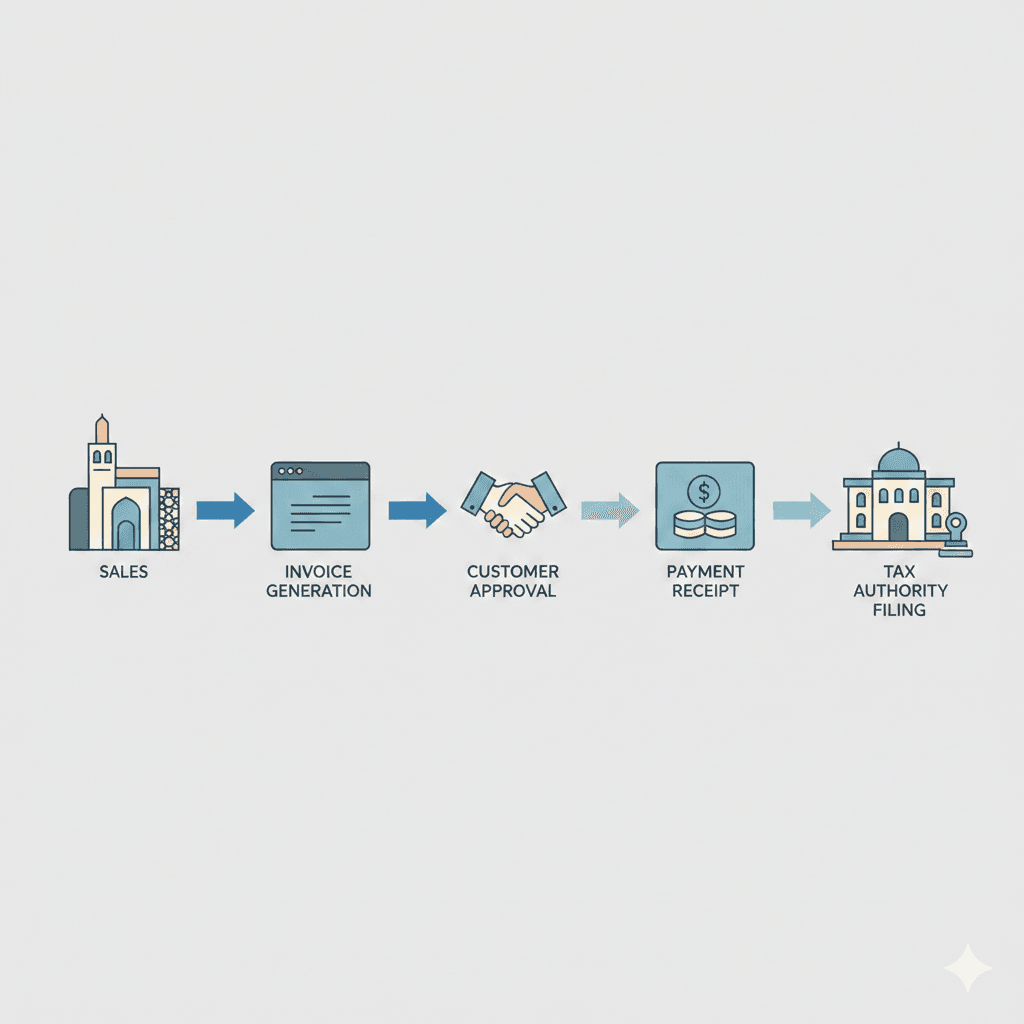
Muscat Startup Accounting: Essential Lessons for New Entrepreneurs
Understanding the Unique Challenges of Muscat Startup Accounting
Why first-year accounting hurdles are critical for Muscat startups
Muscat startup accounting poses specific challenges that new entrepreneurs must address to build a solid financial foundation. Unlike established businesses, startups in Muscat often face tight cashflow constraints, unfamiliarity with Oman’s VAT and emerging corporate tax frameworks, and limited access to professional financial advisory services. Many founders focus intensely on product development or market entry and overlook the importance of early accounting systems tailored to local regulatory demands. This oversight can lead to costly errors such as misreporting, delayed VAT submissions, or inefficient cash management. Understanding these unique hurdles is vital for startups aiming to avoid financial pitfalls and position themselves for sustainable growth within Oman’s evolving business landscape.
Common First-Year Mistakes in Startup Accounting
A few recurring errors typically trap Muscat startups in their initial accounting year. One major mistake is mixing personal and business finances, which blurs financial clarity and complicates tax filings. Another common issue is inadequate record-keeping, where startups fail to document expenses and revenues meticulously, leading to inaccurate financial statements. Many founders also underestimate the importance of timely VAT registration and compliance, which can attract fines and audits from Oman’s Tax Authority. Furthermore, insufficient cashflow monitoring often results in liquidity crises despite profitable operations on paper. These mistakes erode investor confidence and may hinder access to future funding. Being aware of these pitfalls is the first step toward building a robust accounting framework.
Setting Up a Compliant and Efficient Accounting System in Muscat
Implementing a compliant accounting system from day one is crucial for any Muscat startup. Begin by selecting an accounting software that supports Oman-specific tax requirements such as VAT and corporate tax reporting. Ensure the system can generate real-time financial reports to help with cashflow forecasting and expense tracking. SMEs should maintain separate bank accounts strictly for business activities to maintain transparency. Early engagement with accounting professionals familiar with Oman’s regulations can streamline processes and minimize compliance risks. Regular bookkeeping and monthly reconciliation help detect discrepancies before they escalate. A well-designed accounting infrastructure lays the groundwork for accurate audits and smooth taxation cycles, enhancing business credibility locally and internationally.
Effective Cashflow Management for Muscat Startups
Cashflow management remains a cornerstone for startup survival, especially in Muscat’s competitive market. Many first-year startups struggle due to overestimating revenues or delaying invoice collections. Maintaining a rolling cashflow forecast helps entrepreneurs anticipate shortfalls and plan accordingly. SMEs should negotiate clear payment terms with clients and suppliers to avoid liquidity squeezes. Leaderly’s advisory services recommend integrating financial controls early, including automated invoicing and expense approvals, to maintain discipline. Startups must also set aside contingency funds for unexpected expenses or tax obligations, which can otherwise disrupt operations. Effective cashflow management builds resilience and supports strategic decision-making in the volatile early years.
VAT Compliance and Corporate Tax Preparedness in Oman
Navigating VAT and the newly introduced corporate tax regulations is a critical aspect of Muscat startup accounting. Many startups delay VAT registration, unaware that exceeding the mandatory turnover threshold triggers immediate compliance obligations. This delay results in penalties and interest on unpaid VAT. Establishing processes to capture VAT on sales and recover input VAT on purchases protects cashflow and ensures legal compliance. With Oman’s corporate tax law evolving, startups must plan for future tax liabilities by tracking deductible expenses and maintaining proper documentation. Leaderly’s tax advisory can assist SMEs in aligning their accounting practices with current and upcoming regulations, preventing costly surprises and audit complications.
Leveraging Advisory Services for Growth and Compliance
Startups in Muscat often overlook the strategic value of professional advisory services in their first year. Beyond basic bookkeeping and compliance, expert advice on business feasibility, valuation, and due diligence can significantly enhance decision-making. Leaderly’s advisory offerings empower startups to evaluate financial health, optimize tax structures, and plan for potential liquidation scenarios if necessary. Engaging advisors early helps founders focus on core business activities while ensuring accounting accuracy and regulatory adherence. This proactive approach mitigates risk, improves investor confidence, and supports scalable growth in Oman’s dynamic SME ecosystem.
Successful Muscat startups recognize that robust accounting practices form the backbone of sustainable business development. Early mistakes in financial management can derail progress, but with a clear understanding of local requirements and strategic use of advisory support, startups can confidently navigate their first year.
By prioritizing transparent record-keeping, rigorous cashflow management, and proactive tax compliance, SME founders in Muscat lay the foundation for long-term operational stability and growth. Leaderly’s expertise aligns naturally with these needs, offering startups tailored audit, tax, and advisory solutions that facilitate compliance and empower smart financial decisions in Oman’s unique business environment.
#Leaderly #MuscatStartupAccounting #Oman #Muscat #SMEs #Accounting #Tax #Audit