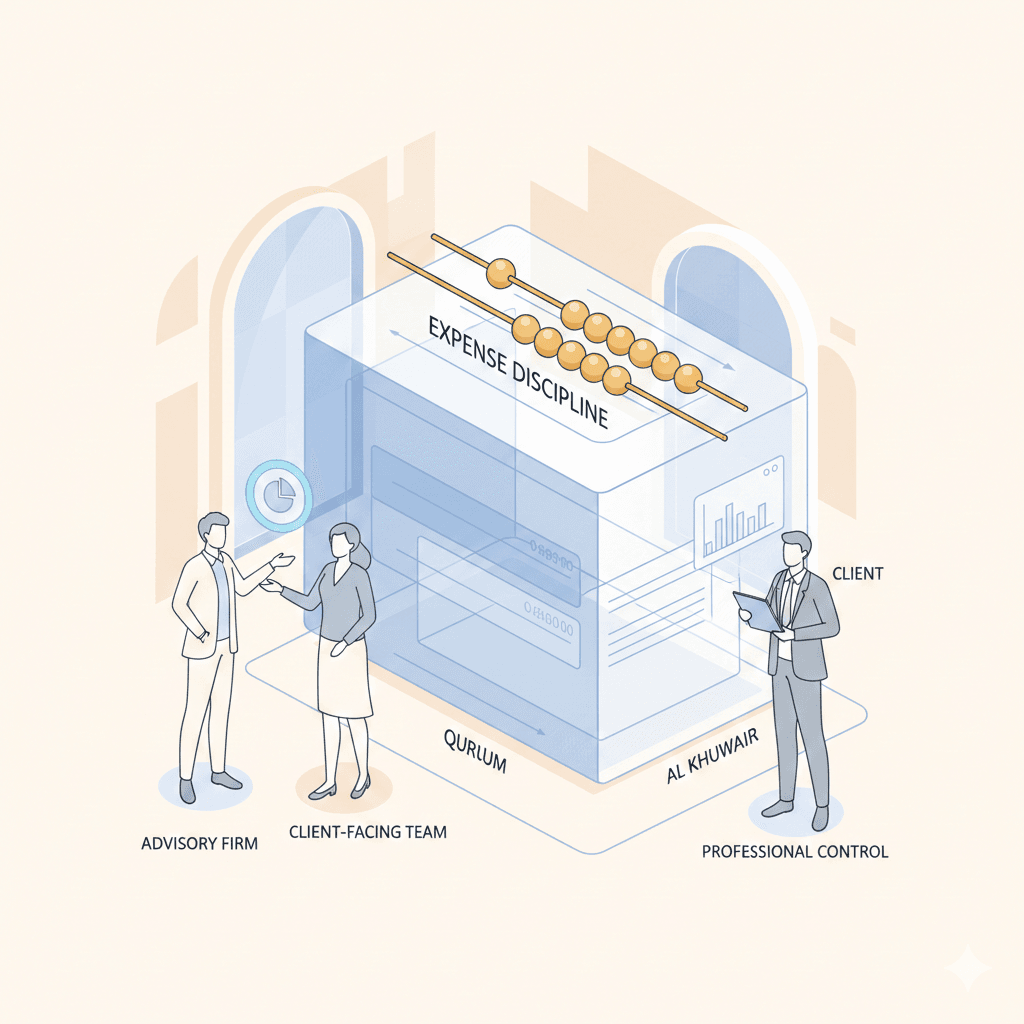
Muscat statutory assurance file as a practical framework for Oman-based SMEs
Why a Muscat statutory assurance file matters for SME credibility
Turning regulatory pressure into structured financial confidence
Muscat statutory assurance file requirements have become central as regulatory expectations for SMEs operating in Oman grow more structured, more formal, and far less forgiving of weak documentation. Rather than being a bureaucratic exercise designed only for external reviewers, a Muscat statutory assurance file forms the backbone of how financial evidence is gathered, explained, and defended. Many Muscat-based founders still treat assurance work as a once-a-year disruption, rushing to assemble invoices, contracts, and reconciliations only when requested. This reactive approach exposes gaps, inconsistencies, and avoidable risk. In contrast, a well-built assurance file develops throughout the year, reflecting real business activity as it occurs. It creates a single, logical source of truth that links transactions to approvals, policies, and commercial rationale. For banks, regulators, and shareholders in Oman, this structure signals seriousness and maturity. For owners and finance managers, it delivers clarity, confidence, and a deeper understanding of their numbers, turning assurance from an event into a continuous, controlled process.
Defining scope and responsibility within the Muscat statutory assurance file
Clarity before collection prevents costly rework
The most common failure in building a Muscat statutory assurance file is starting with documents rather than decisions. Before any evidence is saved, SMEs must define what the file covers and who owns it. In Oman, this means aligning the file with the legal structure, licensing activities, and reporting obligations of the entity. Responsibility should not sit vaguely with “accounts” or “admin.” A named individual, usually the finance manager or an outsourced professional, must control the structure, naming conventions, and version discipline. Clear boundaries matter: what sits inside the assurance file versus what remains operational working papers. This distinction prevents clutter and confusion later. When scope and ownership are defined upfront, the file grows logically, not reactively. It also becomes easier to integrate advisory input, whether related to VAT, corporate tax, or business valuation, because evidence is already organised around decisions rather than transactions alone.
Naming conventions that protect integrity and traceability
How consistency reduces review friction in Muscat
A disciplined naming convention is a surprisingly powerful element of a Muscat statutory assurance file. Without it, even complete evidence can appear unreliable. Files should be named to answer three questions instantly: what the document is, which period it relates to, and how it connects to the financial records. In Muscat, where bilingual documentation and multiple counterparties are common, clarity is essential. Random filenames such as “scan1” or “final_v3” undermine confidence and waste time. Instead, structured naming aligned to account codes, dates, and document types allows reviewers to follow logic without constant explanation. This consistency also protects SMEs internally. When staff change or external advisors step in, the assurance file remains intelligible. Over time, the naming system becomes a shared language that links accounting entries, tax positions, and commercial agreements into one coherent narrative.
Evidence quality over volume in the Muscat statutory assurance file
Substance, linkage, and explanation
SMEs often believe that more documents equal stronger assurance. In reality, a Muscat statutory assurance file should prioritise quality, relevance, and explanation. Each piece of evidence must support a specific assertion, whether revenue recognition, expense validity, or asset ownership. Bank statements, invoices, contracts, and confirmations are only meaningful when clearly linked to ledger balances and reconciliations. In Oman, where cash flows, related-party transactions, and government-linked counterparties are common, contextual explanation is critical. A short narrative explaining why a transaction occurred, how it was approved, and why it is recorded in a certain way can be more valuable than dozens of unlabelled documents. This approach reflects professional judgment rather than box-ticking. It also aligns naturally with advisory work, where understanding the “why” behind numbers is essential for feasibility studies, valuations, and strategic decisions.
Digital organisation and access control for Muscat SMEs
Balancing accessibility with confidentiality
Modern assurance files in Muscat are overwhelmingly digital, but digital convenience brings its own risks. A Muscat statutory assurance file must be organised in a way that supports review while protecting sensitive information. Folder structures should mirror financial statement sections, allowing a reviewer to move logically from balances to evidence. Access rights matter. Not every staff member should be able to edit or delete core documents. Version control, read-only folders, and clear archival practices prevent accidental or intentional changes. For SMEs using cloud systems, this discipline demonstrates governance maturity. It also makes collaboration with external advisors smoother, as access can be granted precisely without sharing entire systems. Digital organisation, when done properly, reduces stress during reviews and reinforces trust in the integrity of the financial information presented.
Keeping the Muscat statutory assurance file alive year-round
From annual panic to continuous readiness
The true value of a Muscat statutory assurance file emerges when it is maintained continuously, not assembled under pressure. Transactions should be filed as they occur, reconciliations updated monthly, and explanations refreshed when circumstances change. This habit shifts the mindset of SME finance teams from reactive compliance to proactive control. In Oman’s evolving regulatory environment, this readiness is a competitive advantage. It reduces advisory costs, shortens review timelines, and improves the quality of management information available to owners. When the file is alive, assurance engagements become confirmations rather than investigations. This steady discipline also supports broader advisory needs, such as due diligence or liquidation planning, where historical clarity can significantly affect outcomes.
A well-built assurance file is not about satisfying an external party once a year; it is about creating a reliable financial memory for the business. For Muscat-based SMEs, this discipline strengthens credibility with regulators, financiers, and partners while giving owners a clearer view of their own operations. By focusing on structure, naming, and evidence quality, businesses move beyond compliance into control.
When approached thoughtfully, the assurance file becomes a practical management tool rather than a technical burden. It supports better decisions, smoother reviews, and more meaningful advisory conversations. For SMEs in Oman seeking stability and growth, investing in this foundation delivers clarity, confidence, and long-term value.
#Leaderly #Muscatstatutoryassurancefile #Oman #Muscat #SMEs #Accounting #Tax #Audit