Vision 2040 Zero Trust Cybersecurity Oman: The Future of Digital Defense for SMEs
Understanding Vision 2040 Zero Trust Cybersecurity Oman
Why Zero Trust Matters in Oman’s Digital Transformation
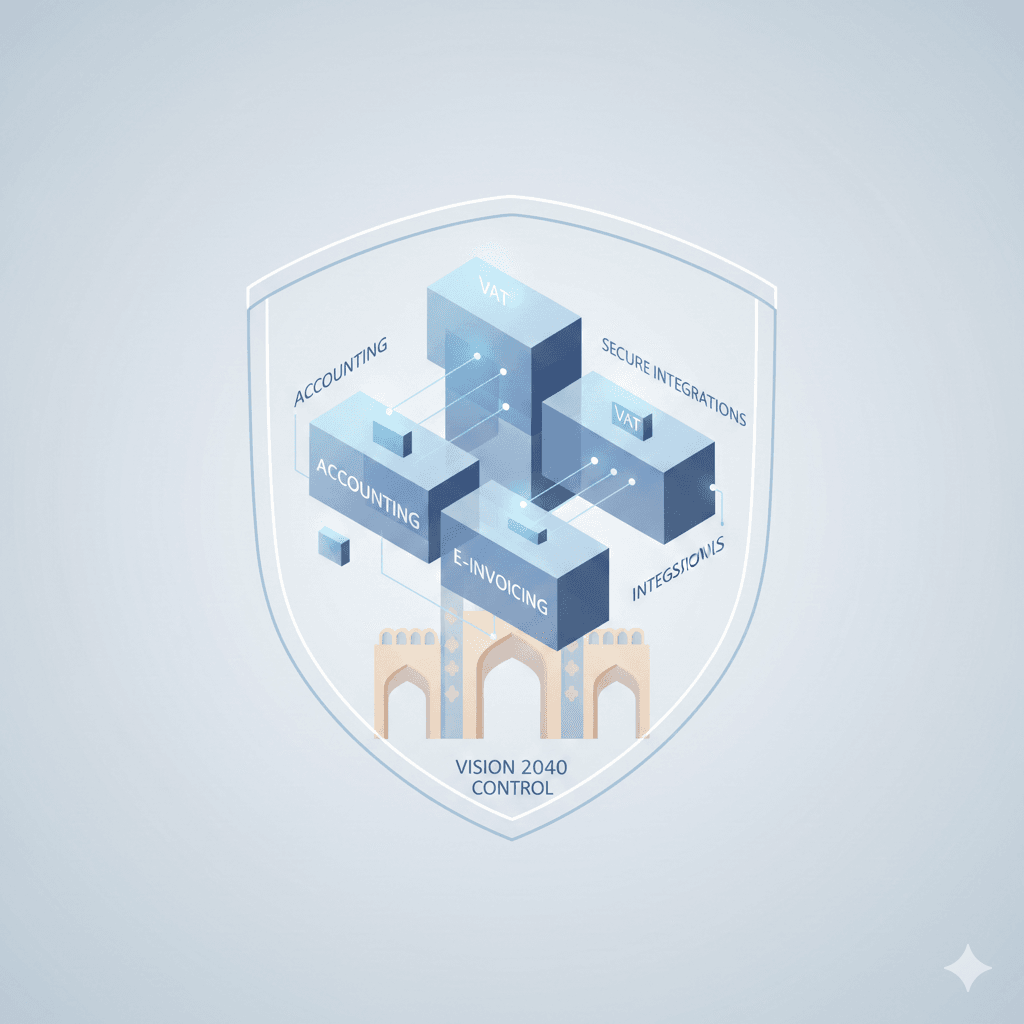
Vision 2040 Zero Trust Cybersecurity Oman represents a fundamental shift in how organizations in the Sultanate protect their digital assets. As Oman embarks on an ambitious digital transformation aligned with Vision 2040 goals, cybersecurity becomes a cornerstone for sustainable growth and economic diversification. Zero Trust is a security framework that assumes no user or device—whether inside or outside the organizational network—should be trusted by default. This approach is particularly crucial for Omani SMEs and entrepreneurs who increasingly rely on cloud services, digital transactions, and remote working environments. Unlike traditional perimeter-based security, Zero Trust requires continuous verification of identities and devices, limiting access to only what is necessary. This model aligns well with Oman’s growing digital infrastructure, addressing emerging cyber risks proactively and supporting the nation’s commitment to innovation and business resilience.
The Context of Cybersecurity Challenges in Oman
Addressing the Growing Threat Landscape
Oman’s rapid digitalization introduces new vulnerabilities, especially for small and medium enterprises that may lack sophisticated cybersecurity measures. Cyber threats such as ransomware, phishing, and data breaches are rising not only globally but also within the region, putting sensitive financial and operational information at risk. The challenge lies in balancing robust protection with usability for business owners and finance managers who may not be cybersecurity experts. Vision 2040 Zero Trust Cybersecurity Oman offers a practical framework to address these challenges by enforcing strict identity verification, micro-segmentation, and continuous monitoring. For SMEs, adopting Zero Trust principles reduces the risk of internal and external breaches, safeguarding their reputation and financial health. This approach is essential as businesses integrate digital tax systems, electronic invoicing, and cloud accounting—areas where Leaderly’s advisory and audit services naturally intersect with cybersecurity needs.
Zero Trust’s Role in Oman’s Regulatory and Economic Environment
Ensuring Compliance and Enabling Growth
The Oman government’s focus on digital economy reforms under Vision 2040 also emphasizes regulatory compliance, including data privacy and cybersecurity standards. Zero Trust Cybersecurity frameworks facilitate adherence to these evolving regulations by embedding security controls into business processes and technology platforms. SMEs and entrepreneurs gain confidence in digital operations knowing that their data handling meets national guidelines. Additionally, financial institutions and tax authorities benefit from improved transparency and reduced fraud risk. Leaderly’s taxation and advisory teams support businesses by integrating Zero Trust principles with VAT and corporate tax compliance strategies. By adopting Zero Trust, Omani SMEs not only mitigate cyber risks but also position themselves for greater participation in government and international digital marketplaces, fueling economic diversification envisioned in Vision 2040.
Implementing Vision 2040 Zero Trust Cybersecurity Oman in SMEs
Practical Steps for Business Owners and Finance Managers
The path to Zero Trust adoption in Oman’s SMEs begins with understanding that cybersecurity is not a one-time setup but an ongoing process. Business owners and finance managers must start by identifying critical assets and data flows, then implementing strict access controls that limit user privileges to the minimum required. Multi-factor authentication (MFA), device compliance checks, and network segmentation are key elements to deploy gradually. Leaderly’s advisory and audit services help SMEs conduct thorough risk assessments and design tailored Zero Trust strategies that fit their scale and industry. Importantly, this approach dovetails with digital tax readiness and compliance, ensuring that business continuity is not disrupted by security incidents or regulatory lapses. Practical training and awareness are equally vital, equipping staff with the knowledge to recognize cyber threats and follow secure practices aligned with Vision 2040 goals.
The Benefits of Zero Trust Cybersecurity for Omani SMEs
Enhancing Trust, Resilience, and Business Competitiveness
Implementing Vision 2040 Zero Trust Cybersecurity Oman delivers multiple tangible benefits to SMEs beyond mere compliance. It significantly reduces the risk of costly breaches and financial losses, which can be devastating for smaller enterprises. Enhanced cybersecurity fosters trust among customers, partners, and regulators, creating a competitive advantage in increasingly digital marketplaces. Furthermore, businesses that invest in Zero Trust frameworks demonstrate maturity and readiness for future digital opportunities, including government tenders and cross-border collaborations. Leaderly’s audit and advisory expertise supports SMEs in quantifying cybersecurity investments as part of their broader risk management and valuation processes, making Zero Trust a strategic business asset. This proactive stance aligns with Oman’s vision of a resilient, diversified economy driven by knowledge and innovation.
Aligning Leaderly’s Services with Vision 2040 Cybersecurity Needs
Integrating Cybersecurity into Financial and Advisory Solutions
Leaderly’s comprehensive services provide a natural fit for SMEs seeking to implement Vision 2040 Zero Trust Cybersecurity Oman. Our audit teams ensure IT controls are robust and compliant with national regulations, while our taxation experts incorporate secure digital processes to simplify VAT and corporate tax obligations. Advisory services extend to feasibility studies and due diligence that consider cybersecurity risks as integral factors in business decisions. This holistic approach empowers Omani entrepreneurs and finance managers to adopt Zero Trust not just as a technical framework but as part of sustainable business growth. Through this synergy, Leaderly reinforces Oman’s Vision 2040 aspirations by enabling SMEs to confidently navigate the complex digital landscape with security, agility, and regulatory assurance.
Vision 2040 Zero Trust Cybersecurity Oman marks a pivotal transformation in how Omani SMEs protect their digital future. By embedding Zero Trust principles into everyday operations, businesses mitigate evolving cyber threats while enhancing trust and compliance. This forward-thinking approach aligns perfectly with Oman’s national goals for economic diversification, innovation, and resilience. For SME founders, business owners, and finance managers, adopting Zero Trust is not merely a defensive tactic but a strategic enabler that strengthens competitiveness and opens new avenues for growth.
Practical implementation requires a clear understanding of risks, access controls, and continuous monitoring—all achievable with expert guidance and tailored advisory support. Leaderly’s integrated audit, taxation, and consultancy services position Omani SMEs to succeed within this new paradigm, helping them meet regulatory demands while leveraging digital technologies safely. Embracing Vision 2040 Zero Trust Cybersecurity Oman today means building a future-ready business that confidently thrives in Oman’s dynamic digital economy.
#Leaderly #Vision2040ZeroTrustCybersecurityOman #Oman #Muscat #SMEs #Accounting #Tax #Audit