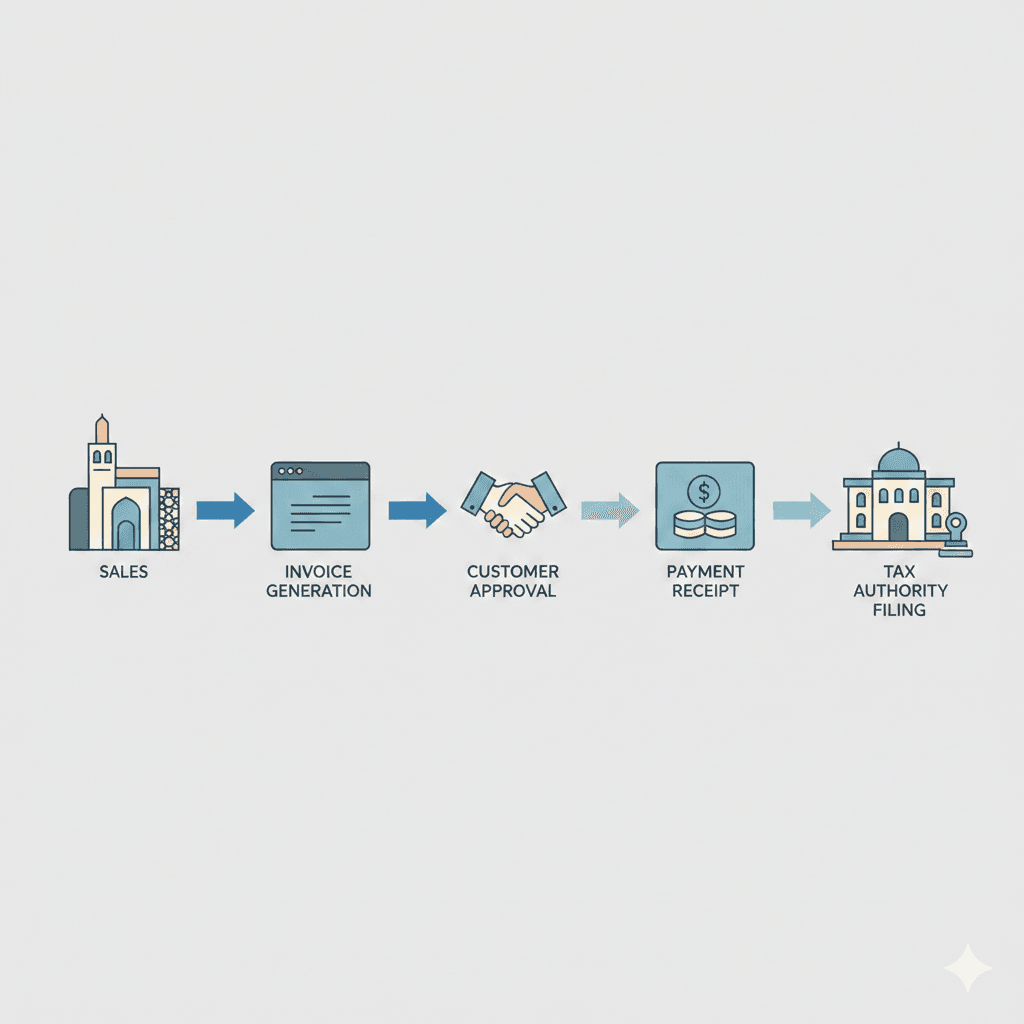
Seeb bookkeeping setup for new businesses as a practical roadmap for shops, clinics, and startups
Seeb bookkeeping setup for new businesses begins with understanding local commercial realities
Seeb bookkeeping setup for new businesses is not simply about recording transactions; it is about aligning financial practices with the realities of operating in one of Muscat’s most active commercial districts. Seeb hosts a diverse mix of retail shops, private clinics, logistics startups, and service-based ventures, each subject to specific licensing, VAT exposure, and cash-handling patterns. New owners often underestimate how early financial decisions affect compliance later, especially when registrations, supplier contracts, and pricing models are being finalized simultaneously. A proper setup ensures that daily sales, expenses, and obligations are captured accurately from the first invoice issued or receipt collected. In Seeb, where many businesses operate on thin margins during their first year, visibility over cash movement is critical. Bookkeeping systems must reflect local payment habits, including cash transactions, bank transfers, and card settlements, while remaining structured enough to support regulatory reporting. When records are fragmented or delayed, owners lose insight into performance and expose themselves to compliance risks. A disciplined approach from the outset allows entrepreneurs to focus on growth, confident that financial information is reliable, traceable, and aligned with Omani commercial expectations.
Regulatory alignment as a core objective of early financial structuring
Compliance is a design choice, not a later correction
In Seeb, regulatory compliance is closely tied to how bookkeeping is structured at launch. VAT registration thresholds, corporate tax planning, and municipal obligations all rely on accurate, timely records. Many new shops and clinics assume that compliance can be addressed later by “cleaning up” accounts, but this approach often proves costly. Proper bookkeeping design ensures that taxable and non-taxable supplies are clearly separated, expenses are supported by valid documentation, and revenue recognition matches actual service delivery. For clinics, this may include distinguishing consultation income from pharmacy sales, while retail startups must track inventory movement alongside sales. These distinctions are essential when preparing VAT returns or responding to authority queries. A well-structured system also supports smoother engagement with advisors, auditors, and tax specialists when required. In practice, businesses that invest early in compliant bookkeeping spend less time correcting errors and more time using financial data for decision-making. This proactive mindset reflects a mature approach to governance, even at a small scale, and positions Seeb-based SMEs to adapt smoothly as regulations evolve.
Choosing systems that match operational scale and growth expectations
Selecting the right tools is a critical element of Seeb bookkeeping setup for new businesses. Overly complex systems can overwhelm small teams, while overly simple methods fail as transaction volumes increase. The goal is to match bookkeeping processes to operational reality while allowing room for growth. For a new shop, this may mean integrating point-of-sale data with accounting records to reduce manual entry. For startups offering professional services, time-based billing and expense allocation may be more relevant. Clinics require systems that respect confidentiality while maintaining financial clarity. Regardless of sector, consistency is key. Daily recording routines, standardized chart of accounts, and clear approval processes create discipline. As businesses grow, these foundations make it easier to introduce budgeting, forecasting, and performance analysis without restructuring from scratch. Advisors familiar with Muscat’s SME landscape often guide founders toward scalable solutions that meet current needs while anticipating regulatory and reporting requirements. This balance ensures that bookkeeping supports strategy rather than becoming an administrative burden.
Internal controls as practical safeguards for small teams
Effective Seeb bookkeeping setup for new businesses incorporates basic internal controls suited to small teams. Controls are often misunderstood as complex or expensive, but at an SME level, they are simple practices that reduce errors and misuse. Separating responsibilities for cash handling and record keeping, reconciling bank accounts regularly, and reviewing supplier invoices before payment all contribute to financial integrity. In Seeb’s fast-paced retail and service environments, these controls protect owners who cannot oversee every transaction personally. They also build credibility with banks, investors, and regulators. Importantly, controls should be documented and communicated clearly so staff understand expectations. When controls are embedded in daily routines rather than imposed reactively, compliance becomes part of business culture. This disciplined approach supports smoother audits, more accurate tax filings, and clearer performance evaluation. For many SMEs, these practices mark the transition from informal operations to professionally managed enterprises.
Using financial records as decision-making tools, not just compliance files
Turning data into insight for Seeb entrepreneurs
Once established, bookkeeping should actively inform decisions rather than sit unused until reporting deadlines. For Seeb-based startups, timely financial information reveals which products, services, or locations generate sustainable margins. Monthly reviews of income and expenses help owners adjust pricing, manage costs, and plan staffing. Clinics can assess profitability by service line, while shops can identify slow-moving inventory before it ties up cash. This analytical use of records depends entirely on initial setup quality. Poor categorization or inconsistent entries obscure trends and mislead decision-makers. By contrast, clean records enable meaningful discussions with advisors about expansion, financing, or restructuring. This is where professional support often adds value, translating numbers into practical guidance tailored to Oman’s market conditions. When bookkeeping is treated as a management tool, it strengthens resilience and supports confident growth.
Preparing for future advisory, tax, and valuation needs
Seeb bookkeeping setup for new businesses should anticipate future milestones such as financing, valuation, or even exit planning. Investors and lenders assess record quality before committing funds, while tax authorities expect consistency over time. Businesses considering expansion or partnership benefit from historical data that demonstrates performance and compliance. Even liquidation or restructuring processes rely heavily on accurate records. By establishing robust bookkeeping early, SMEs reduce friction when engaging advisory services later. Financial advisors can more efficiently provide feasibility studies, due diligence, or valuation insights when underlying data is reliable. This forward-looking perspective transforms bookkeeping from a basic obligation into a strategic asset. For entrepreneurs in Seeb’s competitive environment, this readiness can be a decisive advantage.
The long-term value of disciplined financial foundations becomes evident as businesses navigate growth, regulation, and market change. A thoughtful bookkeeping setup supports compliance, protects cashflow, and enables informed decisions without overwhelming small teams. For Seeb-based SMEs, this balance is essential to sustainable operations in Muscat’s evolving economy.
By treating bookkeeping as an integral part of business strategy rather than an afterthought, new shops, clinics, and startups position themselves for clarity and confidence. With the right structure and professional guidance when needed, financial records become a source of control and insight, reinforcing resilience at every stage of the business journey.
#Leaderly #Seebbookkeepingsetupfornewbusinesses #Oman #Muscat #SMEs #Accounting #Tax #Audit