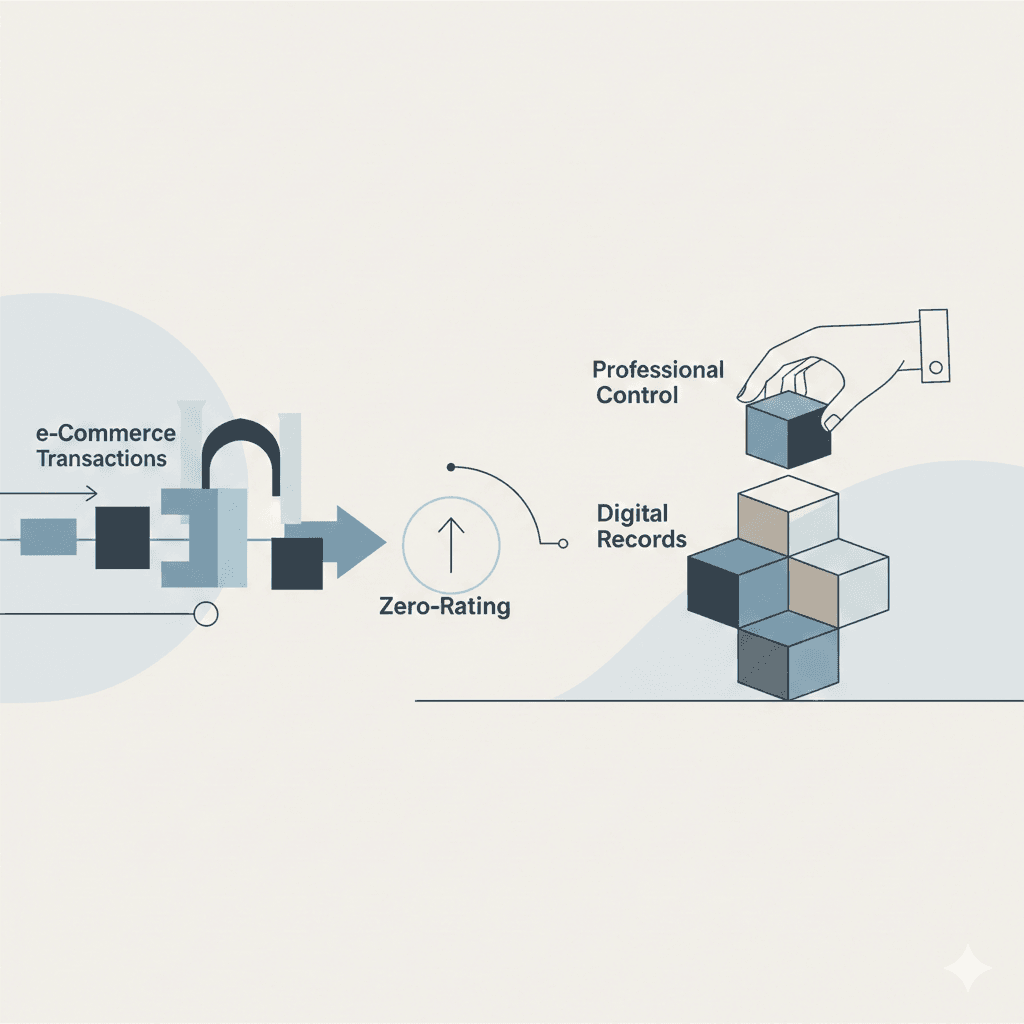
Professional Services in Muscat: Mastering Time Billing, Work-in-Progress, and Profitability
Understanding Time Billing in Muscat’s Professional Services Sector
Why Accurate Time Tracking Matters for Muscat’s SMEs
Time billing is a foundational practice for professional service firms operating in Muscat, yet it is often misunderstood or underutilized. At its core, time billing refers to the process of recording and charging clients for the actual hours spent delivering services. In the context of Oman’s evolving business environment, particularly within SMEs and entrepreneurial ventures, precise time billing is critical for ensuring revenue recognition aligns with actual service delivery. Without effective time billing, businesses risk underbilling clients or misrepresenting revenue streams, which can directly impact cash flow and profitability. Additionally, meticulous time tracking allows firms to analyze how resources are allocated and identify areas where efficiency can be improved, providing a clearer picture of project costs versus revenues.
For many SMEs in Muscat, the challenge lies not only in capturing billable hours but also in integrating time billing systems with accounting, taxation, and compliance frameworks specific to Oman. VAT regulations, corporate tax laws, and audit requirements all hinge on accurate and transparent financial documentation. This makes time billing more than a mere administrative task—it becomes a strategic function intertwined with broader financial management. Firms that invest in streamlined time billing processes often find that they can reduce billing disputes, accelerate cash collection, and improve client satisfaction by delivering detailed, trustworthy invoices.
Moreover, Muscat’s competitive professional services market demands a nuanced approach to pricing and billing. Firms offering consulting, legal, or accounting services must tailor their time billing to reflect the value delivered rather than just hours logged. This approach aligns with the principle of clean profitability, ensuring that revenues genuinely reflect the efficiency and quality of services, which ultimately supports sustainable growth and compliance in the Oman market.
Work-in-Progress (WIP) Management: A Vital Component for Muscat Firms
How Effective WIP Tracking Supports Financial Health and Tax Compliance
Work-in-Progress (WIP) represents services rendered but not yet billed or recognized as revenue. In professional services firms across Muscat, managing WIP correctly is essential to ensure accurate financial reporting and compliance with Oman’s tax regulations. For SMEs, WIP management is often complicated by the nature of projects that span months or even years, making it difficult to gauge how much revenue should be recognized at any point in time. Without effective WIP controls, firms can either overstate income—exposing themselves to tax risks—or understate revenues, negatively affecting financial performance visibility.
In Oman’s regulatory context, WIP management requires coordination with VAT filings and corporate tax declarations, necessitating rigorous accounting practices. Firms need to implement robust systems that track ongoing engagements, link time billing data, and reflect true progress against contracts. This ensures that tax liabilities are accurately calculated and that the firm’s reported financial position is neither overstated nor understated. Many SMEs in Muscat find that integrating WIP with their accounting software and advisory support from experts like Leaderly creates a solid foundation for transparent financial management.
Beyond regulatory compliance, WIP management offers firms operational insights. It helps managers and business owners in Muscat understand project profitability in real-time, allocate resources efficiently, and forecast cash flow needs. When WIP is monitored effectively, firms can detect bottlenecks or underperforming projects early, allowing timely interventions that preserve profitability and client trust. Thus, WIP management is not just a compliance tool but a strategic lever for sustaining competitive advantage in Muscat’s demanding professional services environment.
Clean Profitability: Unlocking True Financial Performance in Muscat
Why Professional Service Firms Must Aim Beyond Revenue to Understand Profitability
Clean profitability is a concept gaining momentum among professional services firms in Muscat seeking to clarify their true financial health. Unlike simple profit figures, clean profitability accounts for all costs, including direct, indirect, and overhead expenses, as well as unbilled work and uncollected revenues. For SMEs operating in Oman’s dynamic economy, understanding clean profitability means gaining a realistic view of which projects, clients, or service lines are truly driving value—and which are draining resources without adequate returns.
Many professional service businesses in Muscat struggle with profitability distortions due to poor cost allocation or incomplete revenue recognition. By adopting clean profitability practices, firms can eliminate distortions caused by inaccurate time billing, WIP mismanagement, or hidden costs. This approach is especially important given Oman’s VAT and corporate tax frameworks, where accurate profitability reporting affects tax planning, audit readiness, and long-term sustainability. With expert advisory support, firms can enhance their accounting systems to produce reports that highlight genuine profit margins, enabling more informed strategic decisions.
In practical terms, clean profitability allows Muscat-based SMEs to benchmark performance against industry standards and identify profitable niches or service improvements. It empowers finance managers and business owners to design incentive schemes aligned with profitability goals, optimize pricing strategies, and prioritize high-value clients. Clean profitability also fosters transparency with stakeholders, including investors and tax authorities, reinforcing trust and credibility essential for business growth in Oman’s professional services market.
Integrating Time Billing with WIP for Seamless Financial Management
Bridging the Gap Between Service Delivery and Financial Reporting
The integration of time billing and WIP is critical for Muscat’s professional service firms to maintain accurate and timely financial records. When time billing systems feed directly into WIP tracking, firms gain real-time visibility into the value of services delivered but not yet invoiced. This linkage is essential for SMEs to produce interim financial statements that reflect ongoing project progress, support accurate VAT calculations, and comply with corporate tax obligations in Oman.
In practice, integration reduces manual errors and administrative overhead, allowing finance teams to focus on analysis and advisory rather than data reconciliation. This streamlined process also facilitates audit preparedness, as auditors increasingly scrutinize the completeness and accuracy of revenue recognition and tax reporting. Muscat’s SMEs that harness integrated systems with the support of advisory firms like Leaderly can accelerate billing cycles, enhance cash flow management, and improve overall financial discipline.
From a strategic perspective, linking time billing and WIP enables firms to identify trends such as scope creep, delayed billings, or inefficient resource allocation early. This empowers managers to implement corrective measures promptly, protecting profitability and client relationships. Ultimately, the synergy between time billing and WIP forms the backbone of effective financial governance for professional services operating in Muscat.
Challenges in Implementing These Practices in Muscat’s SME Landscape
Overcoming Barriers to Accurate Time Billing, WIP, and Profitability Reporting
Despite the clear benefits, many SMEs in Muscat face obstacles in implementing robust time billing, WIP management, and clean profitability frameworks. Common challenges include limited technology adoption, insufficient financial expertise, and resistance to process changes within firms. In some cases, smaller firms rely on manual systems or spreadsheets that are prone to errors and inconsistencies, jeopardizing compliance with Oman’s VAT and corporate tax regulations.
Additionally, cultural factors and client expectations can complicate billing practices. For instance, clients may prefer fixed fees or retainer models that do not align easily with hourly billing or WIP tracking, requiring firms to adopt hybrid approaches. Navigating these complexities demands tailored advisory support and training to build capacity and awareness among business owners and finance managers.
Leaderly’s advisory services play a pivotal role in helping Muscat’s SMEs overcome these challenges by providing practical, Oman-specific solutions that integrate technology, compliance, and financial strategy. Through expert guidance, firms can develop scalable processes that support accurate billing, WIP controls, and profitability analysis, ultimately positioning themselves for sustainable growth in a competitive market.
Future Trends and the Role of Advisory Services in Muscat’s Professional Sector
How Technology and Expertise Are Shaping Financial Management for SMEs
Looking ahead, Muscat’s professional services sector is poised to benefit from advances in technology and increased demand for sophisticated financial advisory. Cloud-based time billing and project management tools, artificial intelligence-driven analytics, and automation are transforming how SMEs handle WIP and profitability calculations. These innovations reduce manual workload and enhance accuracy, allowing firms to focus on strategic decision-making.
Simultaneously, Oman’s regulatory environment continues to evolve, emphasizing transparency and compliance. Professional service firms must stay ahead by partnering with advisory specialists who understand local tax laws, VAT requirements, and audit standards. Leaderly exemplifies such expertise, offering tailored solutions that empower SMEs to leverage technology effectively while maintaining rigorous financial controls.
Ultimately, firms in Muscat that embrace these future trends with a focus on integrated time billing, WIP management, and clean profitability will enhance their competitiveness and resilience. They will be better equipped to navigate economic fluctuations, satisfy client demands, and comply with Oman’s complex regulatory framework, securing their position in a vibrant professional services landscape.
Professional services in Muscat are evolving rapidly, and the successful firms will be those that master the interconnected disciplines of time billing, work-in-progress management, and clean profitability reporting. For SMEs and entrepreneurs, adopting these practices is not merely a compliance exercise but a strategic imperative to unlock sustainable growth and financial clarity.
With the right systems, processes, and advisory partnerships in place, Muscat’s professional service providers can transform their financial management, improving cash flow, client trust, and competitive positioning. This holistic approach aligns closely with the expertise offered by Leaderly, underscoring the importance of specialized guidance in navigating Oman’s business landscape with confidence and precision.
#Leaderly #ProfessionalServicesInMuscat #Oman #Muscat #SMEs #Accounting #Tax #Audit