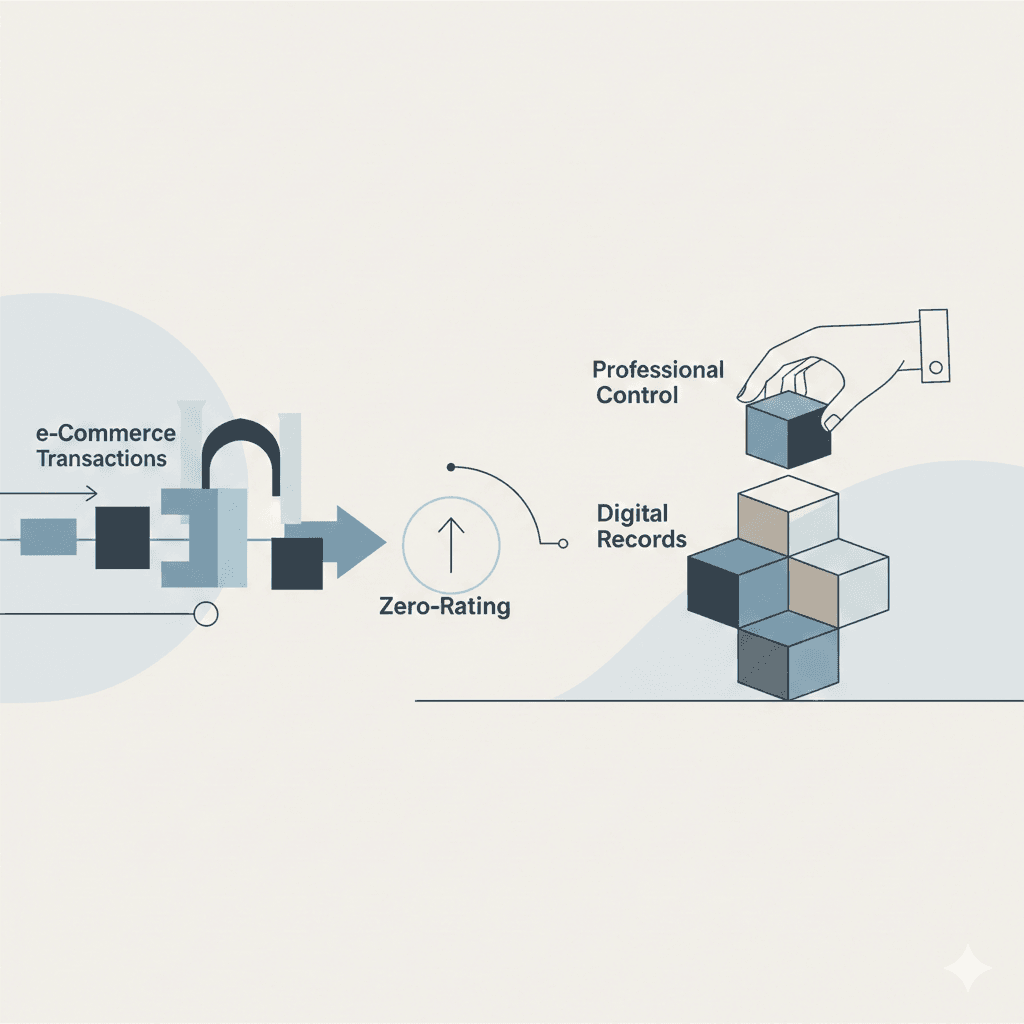
Muscat SME Data Classification Compliance as the Missing Link in Sustainable Business Protection
Muscat SME Data Classification Compliance and the New Omani Business Reality
Muscat SME Data Classification Compliance has become a defining factor in how companies respond to the profound changes driven by Oman Vision 2040, particularly in Muscat where regulatory oversight, investor expectations, and digital transformation are accelerating. What was once seen as a technical concern limited to large corporations is now a core requirement for operational stability among small and medium enterprises. Data sits at the center of modern decision-making, influencing everything from customer relationships and payroll management to supplier contracts and strategic forecasting. Without a structured approach to classification, SMEs expose themselves to growing legal risks, tax inaccuracies, audit weaknesses, and reputational harm. Many business owners still assume that data protection begins and ends with cybersecurity tools, yet true compliance starts much earlier — at the moment information is created, categorized, and governed. Proper classification enables companies to understand exactly what data they hold, where it resides, who may access it, and how long it must be retained. In Muscat’s increasingly regulated business environment, this clarity is critical for withstanding regulatory inspections, VAT reviews, corporate tax assessments, and due diligence processes. By transforming raw data into a managed business asset rather than an unmanaged liability, classification builds the foundation for sustainable and controlled growth.
Regulatory Pressures Driving Muscat SME Data Classification Compliance
Across Oman, regulators are aligning commercial law, tax frameworks, and governance expectations with international standards. Muscat SME Data Classification Compliance responds directly to this shift. VAT documentation, corporate tax records, payroll information, shareholder data, feasibility studies, valuation reports, and contractual obligations are now subject to stricter scrutiny during audits and regulatory reviews. When data is poorly classified, businesses struggle to retrieve accurate information, leading to delayed filings, increased audit exposure, and penalties that could have been avoided. Classification structures enable finance managers to segregate financial records from legal documentation, operational data from strategic data, and confidential materials from general records. This segregation simplifies internal controls and strengthens the company’s ability to demonstrate compliance during inspections or advisory engagements. In Muscat’s competitive SME ecosystem, companies that implement structured data governance position themselves as lower-risk partners for banks, investors, and government stakeholders. The discipline of classification is therefore not merely about compliance; it becomes a signal of professionalism, governance maturity, and long-term reliability in Oman’s evolving business landscape.
Operational Stability Through Muscat SME Data Classification Compliance
Beyond regulation, Muscat SME Data Classification Compliance delivers measurable operational benefits. Many SMEs in Muscat experience recurring inefficiencies: misplaced invoices, conflicting versions of contracts, incomplete customer histories, and unclear financial documentation. These problems escalate during audits, tax filings, valuations, or when preparing for expansion or liquidation scenarios. Classification introduces order. By defining categories such as financial, tax, legal, human resources, operational, and strategic data, companies gain immediate visibility over their information architecture. This visibility reduces processing time for accountants, minimizes errors in VAT submissions, supports accurate corporate tax calculations, and improves the reliability of management reporting. Over time, classification also strengthens internal accountability. Employees understand which data is sensitive, which can be shared, and which must be restricted. This cultural shift significantly lowers the risk of internal data breaches, unauthorized disclosures, and compliance violations. For Muscat-based SMEs navigating complex growth paths, classification is not bureaucracy; it is a stabilizing force that allows management to focus on expansion rather than crisis management.
Strategic Risk Management with Muscat SME Data Classification Compliance
Risk in modern Omani business extends far beyond financial volatility. Data-related risk now ranks among the most serious threats facing SMEs, particularly in Muscat where digital platforms and cloud systems are increasingly embedded in daily operations. Muscat SME Data Classification Compliance provides a structured risk management framework. By assigning sensitivity levels to data — such as public, internal, confidential, and highly restricted — businesses can align access controls, storage requirements, and retention policies accordingly. This alignment directly supports stronger audit outcomes, smoother due diligence reviews, and more accurate feasibility assessments when evaluating new projects. When financial advisors assess a company’s readiness for investment or restructuring, the presence of robust data classification significantly increases confidence in the reliability of reported figures and forecasts. Classification also protects against operational disruptions caused by data loss, system failures, or employee turnover, as information becomes systematically documented rather than scattered across personal devices or informal platforms. In Muscat’s increasingly sophisticated financial environment, this form of risk management separates resilient enterprises from those vulnerable to sudden regulatory or market shocks.
Growth Enablement Through Muscat SME Data Classification Compliance
As Oman Vision 2040 encourages diversification, innovation, and foreign investment, SMEs in Muscat are under pressure to scale responsibly. Muscat SME Data Classification Compliance acts as an enabler of sustainable growth. Investors, banks, and strategic partners expect transparent documentation, reliable financial records, and clear governance structures. A well-implemented classification framework accelerates capital raising, simplifies valuation exercises, and improves negotiation outcomes during mergers, acquisitions, or joint ventures. For growing companies, classification also supports the transition from founder-driven operations to professionally managed organizations. Management dashboards become more accurate, forecasting improves, and leadership gains clearer insight into profitability, costs, and operational performance. Importantly, classification ensures that expansion does not compromise compliance. As transaction volumes increase and teams grow, structured data governance prevents chaos from replacing clarity. Muscat SMEs that invest early in classification therefore avoid the painful restructuring that many businesses face once growth exposes underlying governance weaknesses. Instead, they scale with confidence, control, and credibility.
Leadership Accountability in Muscat SME Data Classification Compliance
Ultimately, Muscat SME Data Classification Compliance is a leadership responsibility, not an IT project. Business owners, finance managers, and entrepreneurs must actively shape how information is governed within their organizations. Classification frameworks should be embedded into accounting systems, tax processes, audit preparation, advisory engagements, and everyday operational workflows. When leadership commits to this discipline, it sends a powerful signal throughout the company that compliance, transparency, and long-term sustainability are non-negotiable priorities. Over time, this commitment becomes a competitive advantage in Muscat’s SME market, where regulatory expectations continue to rise and commercial relationships increasingly depend on trust. Companies that treat data as a strategic asset rather than an administrative burden will be better positioned to navigate corporate tax reforms, evolving VAT obligations, and the broader economic transformation envisioned by Oman Vision 2040. In this environment, classification is not simply good practice; it is an essential business survival skill.
The transformation agenda of Oman Vision 2040 demands a new level of professionalism from SMEs, particularly in Muscat where regulatory scrutiny, financial complexity, and growth ambitions converge. By adopting structured data classification, companies strengthen every aspect of their operations, from audit readiness and tax accuracy to advisory outcomes, valuation reliability, and long-term strategic planning. The discipline of managing information correctly protects businesses from avoidable risks while unlocking new opportunities for investment, expansion, and market credibility.
For entrepreneurs and finance leaders, the message is clear: sustainable success in Oman’s evolving economy depends on how well your organization controls its information. Data classification is not an abstract compliance exercise; it is a practical management tool that supports better decisions, stronger governance, and greater confidence among stakeholders. SMEs that embrace this discipline today will be the businesses that thrive tomorrow.
#Leaderly #MuscatSMEDataClassificationCompliance #Oman #Muscat #SMEs #Accounting #Tax #Audit