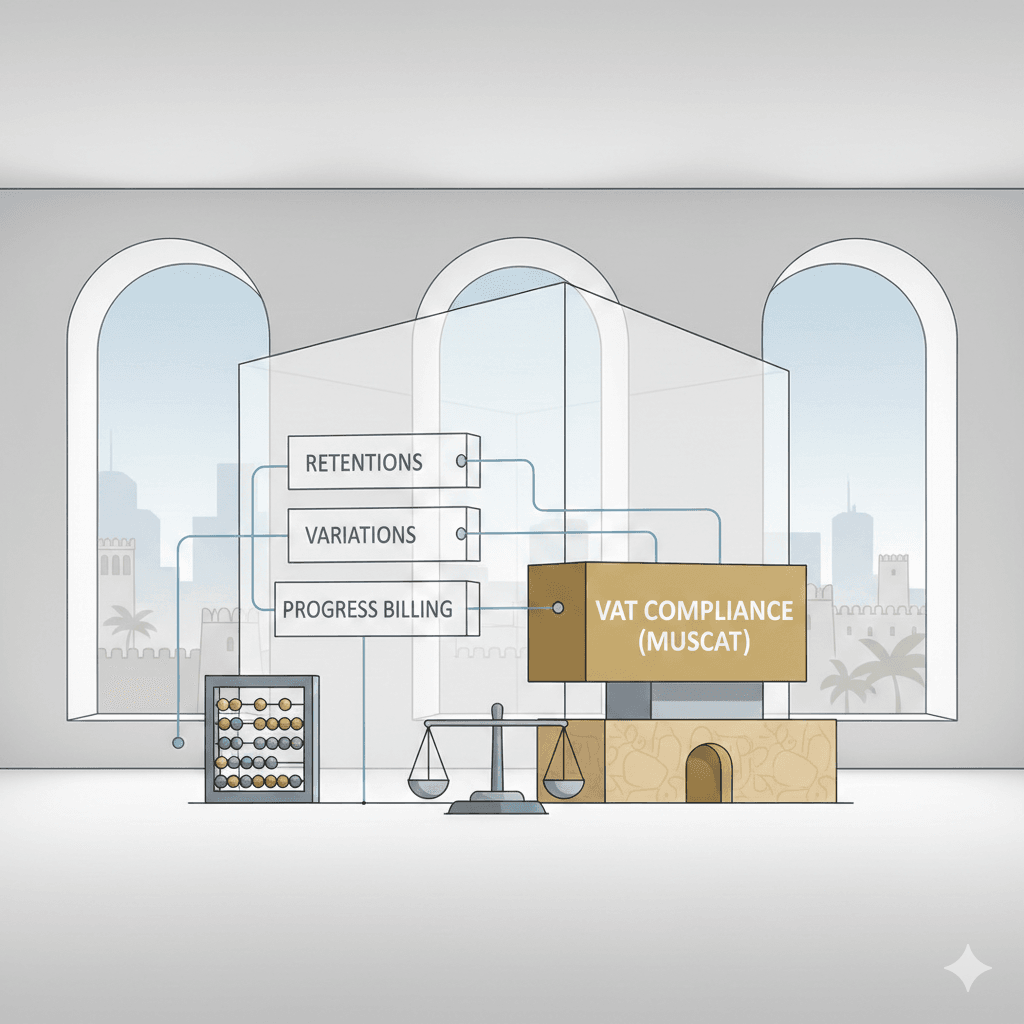
Leaderly Audit Readiness in Muscat: Ensuring SME Financial Compliance and Success
Understanding Audit Readiness for SMEs in Muscat
What audit readiness means for your business
Leaderly Audit Readiness in Muscat is an essential focus for SMEs striving to maintain financial transparency and regulatory compliance in Oman’s evolving economic landscape. For small and medium-sized enterprises, preparing for an audit means more than just having documents in order—it’s about embedding strong financial processes that withstand scrutiny and support sustainable growth. Audit readiness encompasses the systematic organization of financial records, the establishment of reliable internal controls, and adherence to local tax laws, including VAT and the newly implemented Corporate Tax regime. By prioritizing audit readiness, SMEs can reduce the risk of penalties, avoid last-minute chaos, and build confidence with stakeholders, including banks, investors, and government authorities.
Oman’s regulatory framework requires businesses to comply rigorously with audit procedures, which for many SMEs can feel daunting. However, this challenge can be transformed into an opportunity by adopting a structured approach to audit preparation. Leaderly’s expertise in guiding SMEs through this process emphasizes practical, Oman-specific steps that address common pitfalls such as incomplete VAT records or inconsistent bookkeeping. Audit readiness is not a one-time event but an ongoing process that enhances financial integrity and operational efficiency.
Achieving audit readiness also involves understanding the audit scope and requirements relevant to Muscat’s business environment. SMEs must recognize that audits typically verify the accuracy of financial statements, tax filings, and compliance with statutory obligations. By anticipating these demands, SMEs can allocate resources wisely and implement internal checks that make external audits smoother and less disruptive. In essence, audit readiness is a strategic investment in the longevity and credibility of SMEs operating in Muscat’s competitive marketplace.
Key Challenges SMEs Face in Audit Preparation
Addressing common barriers to audit readiness
SMEs in Muscat frequently encounter obstacles when preparing for audits, which can stem from limited financial expertise, resource constraints, and the complexities of local tax laws. One of the most significant challenges is maintaining accurate and up-to-date VAT records. Since the introduction of VAT in Oman, many SMEs have struggled to properly document taxable transactions, leading to gaps that auditors often highlight. This issue can result in costly penalties or delays in audit completion if not addressed proactively.
Another common difficulty is the lack of standardized financial processes within SMEs. Many businesses rely on manual bookkeeping or inconsistent record-keeping practices, which increase the risk of errors and misstatements. Without proper internal controls, SMEs are vulnerable to financial discrepancies that audits will reveal. These weaknesses can erode trust with auditors and regulatory bodies, making the audit process more stressful and expensive.
Additionally, the relatively recent introduction of Corporate Tax in Oman has added a layer of complexity for SMEs. Understanding how this tax applies, ensuring correct filings, and managing compliance require specialized knowledge that is often beyond the capacity of smaller finance teams. Without tailored advisory support, SMEs risk non-compliance or incomplete disclosures that can jeopardize their audit outcomes. Overcoming these challenges necessitates a comprehensive approach that combines process improvements, staff training, and expert guidance aligned with Muscat’s business realities.
Implementing Practical Steps Towards Audit Readiness
Building a foundation of compliance and control
To establish audit readiness, SMEs in Muscat must begin by creating a clear and documented financial framework that aligns with Oman’s regulatory requirements. This starts with accurate bookkeeping, ensuring that all transactions are recorded timely and backed by appropriate invoices or receipts. Employing standardized accounting software that supports VAT reporting and generates audit-friendly reports is a critical first step that improves data accuracy and accessibility.
Next, SMEs should develop internal control procedures tailored to their scale and complexity. Controls such as segregation of duties, approval workflows, and periodic reconciliation of accounts reduce the risk of errors and fraud. These controls not only facilitate smoother audits but also contribute to better financial decision-making and operational transparency. Leaderly’s advisory services can assist SMEs in designing practical control systems that are feasible within their resources while meeting audit standards.
Finally, continuous monitoring and staff training are indispensable components of audit readiness. SMEs must ensure that employees involved in financial processes understand their responsibilities and are aware of compliance obligations related to VAT and Corporate Tax. Regular internal reviews and mock audits can identify weaknesses early, allowing SMEs to address issues before external auditors arrive. This proactive stance creates a culture of preparedness that benefits the entire organization, reinforcing trust with regulators and business partners alike.
Leveraging Leaderly’s Audit and Advisory Expertise in Muscat
How expert guidance streamlines audit preparation
Leaderly offers tailored audit readiness support that is specifically designed for Muscat’s SME sector, combining local regulatory knowledge with practical financial advisory services. By partnering with Leaderly, SMEs gain access to specialists who understand Oman’s VAT and Corporate Tax frameworks intimately and can translate these requirements into actionable steps. This includes assistance with documentation, compliance reviews, and pre-audit assessments that identify risks and gaps.
Leaderly’s approach emphasizes transparency and collaboration, working closely with SMEs to embed audit readiness into everyday operations rather than treating it as a periodic task. This ongoing support helps SMEs maintain compliance effortlessly and reduces the anxiety commonly associated with audit cycles. Moreover, Leaderly’s expertise in feasibility studies, valuations, and due diligence complements audit readiness by offering a comprehensive financial management perspective that prepares SMEs for growth and investment opportunities.
For SMEs in Muscat, the advantage of Leaderly’s audit readiness services lies in the practical, Oman-specific insights they bring. Rather than generic recommendations, Leaderly provides focused advice that aligns with local business customs, tax deadlines, and reporting formats. This targeted guidance accelerates compliance processes and safeguards SMEs against regulatory risks, empowering business owners and finance managers to approach audits with confidence and clarity.
Integrating Audit Readiness into SME Growth Strategies
Ensuring audits support long-term business success
Audit readiness should not be viewed solely as a compliance burden but as a strategic enabler for SME growth in Muscat’s competitive market. Businesses that maintain transparent and well-organized financial records are better positioned to attract financing, enter joint ventures, and pursue expansion opportunities. Investors and lenders increasingly demand audit-verified financial statements as a baseline for trust, making readiness a critical differentiator for SMEs seeking capital.
Furthermore, audit processes often reveal operational inefficiencies or financial risks that, when addressed, enhance profitability and sustainability. SMEs that engage with audits proactively can leverage the insights gained to improve internal controls, streamline cash flow management, and optimize tax planning. This dynamic use of audit outcomes transforms compliance into a tool for continuous improvement rather than a reactive exercise.
By embedding audit readiness into their broader business strategy, SMEs in Muscat create resilience against regulatory changes and market fluctuations. The discipline developed through audit preparation supports better governance and risk management, which are essential components for long-term success. Leaderly’s advisory services help SMEs integrate these principles seamlessly, fostering a culture where audit readiness drives not only compliance but also competitive advantage.
Preparing for the Future: The Evolving Audit Landscape in Oman
Adapting to regulatory developments and digital transformation
The audit environment in Oman is undergoing significant change, with increased regulatory scrutiny and the digitization of tax and financial reporting. For SMEs in Muscat, staying ahead requires continuous adaptation to new rules, such as updated VAT regulations and the phased introduction of Corporate Tax. These changes mean audit requirements will become more detailed, and non-compliance risks will carry heavier consequences.
Digital transformation is also reshaping audit processes, with electronic invoicing, real-time VAT reporting, and integrated financial management systems becoming standard. SMEs must embrace these technologies to maintain audit readiness efficiently. Automation reduces manual errors, improves data transparency, and accelerates the audit cycle. Leaderly supports SMEs in adopting digital solutions tailored to the Omani market, ensuring businesses not only meet current standards but are future-proofed for upcoming developments.
Anticipating these trends, SMEs that invest in continuous training, process improvement, and professional advisory services will find themselves better equipped to manage audits confidently. The evolving audit landscape presents an opportunity for Muscat SMEs to enhance their financial discipline, comply fully with regulations, and position themselves as trusted players in Oman’s growing economy.
In conclusion, audit readiness in Muscat is a vital pillar for SMEs seeking financial stability and regulatory compliance in Oman’s fast-evolving business environment. By understanding audit requirements, addressing common challenges, and implementing practical controls, SMEs can transform audit preparation from a stressful obligation into a strategic advantage. Leaderly’s specialized expertise in audit, taxation, and advisory services offers indispensable support tailored to the unique needs of Muscat’s SME sector, guiding businesses through every step of the audit journey with clarity and confidence.
Ultimately, embedding audit readiness into daily financial management empowers SMEs to build resilience, attract investment, and unlock growth potential. It fosters a culture of transparency and operational excellence that benefits all stakeholders and secures long-term success. As Oman’s regulatory landscape continues to evolve, Muscat SMEs equipped with strong audit readiness will not only comply effectively but also thrive in a competitive marketplace, supported by trusted partners like Leaderly.
#Leaderly #LeaderlyAuditReadinessinMuscat #Oman #Muscat #SMEs #Accounting #Tax #Audit