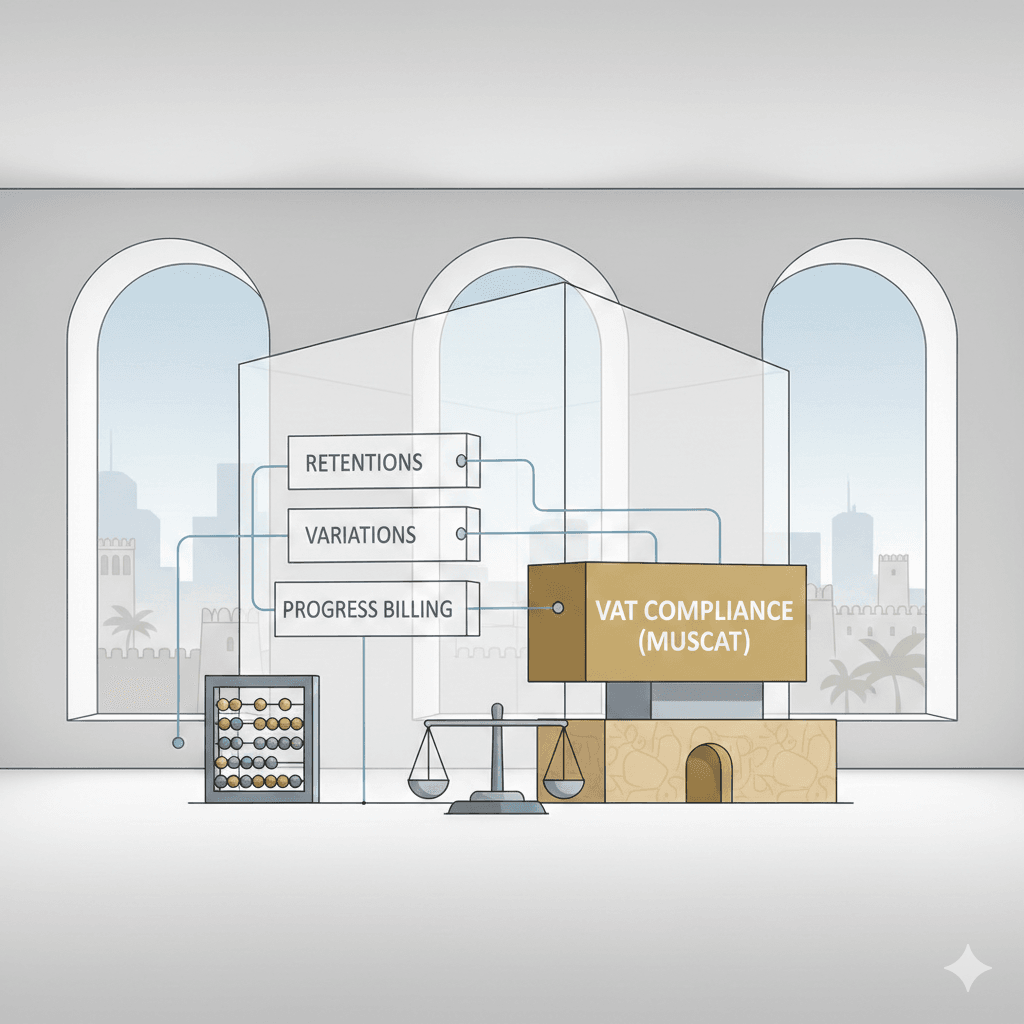
E-Invoicing in Oman: Essential Preparations for SMEs Under Vision 2040
Understanding E-Invoicing in Oman’s Business Landscape
The adoption of E-Invoicing in Oman marks a significant step towards digitizing financial transactions under the framework of Oman Vision 2040. For SMEs and entrepreneurs, this transition is not merely a regulatory obligation but an opportunity to streamline accounting processes and ensure compliance with the evolving tax landscape. Oman’s government, through the Oman Tax Authority (OTA), has introduced mandatory e-invoicing to modernize the tax ecosystem, improve transparency, and reduce fraud. Understanding the technical and operational implications of this system is vital for business owners who seek to avoid penalties and maintain seamless operations.
The framework requires that all taxable supplies issued by registered VAT and corporate tax entities be electronically generated and authenticated according to specific standards. This digital invoicing system supports better audit trails and faster transaction reconciliations, key elements in strengthening corporate governance. For finance managers, adapting to e-invoicing means integrating compliant software that can handle data in formats mandated by the OTA. Businesses operating in Muscat and wider Oman must be proactive in ensuring their accounting infrastructure aligns with these requirements to avoid disruptions.
Additionally, the transition to e-invoicing represents an alignment with global best practices seen in neighboring Gulf Cooperation Council (GCC) countries. As Oman positions itself as a forward-looking economy under Vision 2040, businesses that embrace e-invoicing early will not only benefit from smoother tax processes but also gain competitive advantages through enhanced operational efficiency and data accuracy. SMEs must therefore treat e-invoicing preparation as a strategic business initiative rather than a mere compliance task.
Technical Requirements and Integration Challenges for SMEs
Implementing E-Invoicing in Oman requires SMEs to evaluate their existing accounting systems and invest in software capable of generating, storing, and transmitting electronic invoices in the mandated XML format. Integration with ERP and accounting platforms is essential to ensure data integrity and real-time compliance reporting. Many SMEs in Oman face challenges in this digital shift due to limited in-house IT expertise or outdated legacy systems, making early planning crucial.
Key technical elements include ensuring that e-invoices contain all required fields as per OTA guidelines, such as invoice numbers, supplier and customer details, VAT amounts, and digital signatures. The digital signature validates the invoice authenticity and is fundamental to the e-invoicing process. SME owners and finance teams must coordinate with software vendors or service providers who are OTA-certified to guarantee system compatibility and avoid errors that could trigger audits or fines.
Moreover, data security and storage are critical concerns. E-invoicing mandates retention of electronic invoices for a specified number of years, placing a responsibility on SMEs to implement secure digital archiving solutions that comply with local regulations. This preparation phase offers an opportunity for SMEs to upgrade cybersecurity measures, safeguarding sensitive financial data against unauthorized access or breaches. Partnering with expert advisors, such as those at Leaderly, can help SMEs navigate these challenges with tailored advisory services and technology integration support.
Operational Impact and Staff Training Considerations
The shift to E-Invoicing in Oman goes beyond technology; it affects daily operational workflows and demands a cultural shift within SMEs. Businesses must reassess their invoice approval and processing cycles to accommodate electronic formats and automated validations. Traditional paper-based practices are no longer viable, and finance teams need to become proficient with new software interfaces and compliance reporting mechanisms.
For many SMEs, this transition means investing in comprehensive staff training programs to equip accountants, finance managers, and operations personnel with the knowledge to manage e-invoicing effectively. Training should cover the technical use of e-invoicing platforms, understanding legal requirements, and handling exceptions or disputes electronically. Enhanced staff capability will reduce risks of non-compliance and operational bottlenecks.
Furthermore, the operational benefits of e-invoicing include faster invoice processing times, reduced manual errors, and improved cash flow visibility. SMEs that embrace these advantages can enhance supplier relationships through timely payments and gain a more accurate financial overview for strategic decision-making. Leaders should view this period as a valuable opportunity to modernize finance functions aligned with Oman’s Vision 2040 digital economy goals.
Regulatory Compliance and Legal Implications
Complying with E-Invoicing in Oman is mandatory for all VAT-registered entities, and failure to comply can result in significant penalties, including fines and potential suspension of business activities. The Oman Tax Authority has clearly outlined timelines and phases for e-invoicing implementation, making it imperative for SMEs to adhere strictly to these deadlines to avoid non-compliance risks.
Legal implications also extend to the accuracy and authenticity of invoicing data. E-invoices must be accurate, complete, and transmitted within specified timeframes. Any discrepancies or delayed submissions can prompt audits and investigations. SMEs must therefore establish robust internal controls and compliance checks, possibly supported by external advisory to maintain adherence to evolving regulations.
Additionally, the introduction of e-invoicing ties directly into Oman’s broader tax reforms, including corporate tax implementation from 2024. SMEs that successfully implement compliant e-invoicing systems will find tax filing and audit processes more streamlined. This compliance readiness will not only reduce the administrative burden but also build trust with tax authorities and stakeholders, underpinning long-term business sustainability within Oman’s transforming economic environment.
Financial Advisory and Strategic Benefits of E-Invoicing
The strategic adoption of E-Invoicing in Oman offers SMEs benefits that extend beyond regulatory compliance. Accurate and timely invoicing feeds into improved cash flow management, enabling businesses to forecast revenues and expenses more reliably. Financial advisors stress the importance of leveraging e-invoicing data to gain insights into payment cycles, customer behavior, and operational inefficiencies.
Advisory services, such as those provided by Leaderly, can assist SMEs in harnessing e-invoicing data for feasibility studies, business valuations, and due diligence processes. This enriched data environment supports more informed decision-making, helping business owners identify growth opportunities and optimize resource allocation. Transitioning to e-invoicing is thus a critical enabler for SMEs seeking to scale responsibly and sustainably within Oman’s competitive market.
Moreover, e-invoicing reduces risks associated with manual errors, duplicate billing, and fraud, which can negatively impact financial health. By embedding digital audit trails and standardized invoice processing, SMEs create a foundation for stronger internal controls. Such measures are indispensable as Oman’s regulatory environment becomes more sophisticated and interconnected under Vision 2040’s economic diversification objectives.
Preparing for the Future: Ongoing Compliance and Innovation
Looking ahead, E-Invoicing in Oman is expected to evolve, with increasing integration into broader digital tax and business ecosystems. SMEs should prepare for continuous updates in regulatory requirements and technological capabilities, including potential links with e-payment systems, e-wallets, and advanced data analytics platforms.
Continuous compliance will require SMEs to adopt flexible systems and maintain ongoing communication with advisors and regulatory bodies. Proactive monitoring of OTA announcements and regulatory updates will be essential to stay ahead of compliance risks. Investing in scalable digital infrastructure now will pay dividends as Oman continues to digitize its economy.
Innovation opportunities also arise from e-invoicing adoption. SMEs can explore automation of reconciliation processes, integration with supply chain systems, and enhanced customer experience through faster invoicing and payment cycles. Early adopters are positioned to capitalize on these innovations, aligning with Oman Vision 2040’s goals of technological advancement and economic resilience.
In conclusion, E-Invoicing in Oman represents a transformative shift with practical implications for every SME. Preparing for this change requires a holistic approach encompassing technology, compliance, operations, and strategic advisory. By embracing e-invoicing as a catalyst for modernization rather than just a regulatory hurdle, Omani businesses can enhance efficiency, secure compliance, and position themselves strongly within the Vision 2040 economic landscape.
The benefits of early preparation and partnership with expert advisors cannot be overstated. SMEs that proactively upgrade their systems, invest in staff training, and align with OTA requirements will not only avoid costly penalties but also unlock new avenues for growth and sustainability. As Oman moves forward, e-invoicing is more than a compliance measure—it is a cornerstone of business excellence in the Sultanate’s evolving marketplace.
#Leaderly #E-Invoicing_in_Oman #Oman #Muscat #SMEs #Accounting #Tax #Audit