Ruwi Business District Accounting Tips: A Guide for Muscat’s Trading & Commercial SMEs
Understanding the Unique Financial Landscape of Ruwi
Why location-specific accounting matters
Ruwi Business District Accounting Tips begin with understanding why this area is the commercial heart of Muscat, bustling with diverse trading and commercial firms ranging from import-export businesses to retail outlets. For SMEs operating here, recognising the district’s specific financial landscape is crucial. The unique dynamics of Ruwi — including dense market activity, high volumes of goods movement, and close interaction with Oman’s broader economic policies — demand accounting practices that are tailored rather than generic. Ruwi-based firms must carefully manage fluctuating inventory cycles, complex VAT obligations, and the operational realities of cash-based transactions that remain common in the district. In addition, Ruwi’s strategic role as a trading hub makes strict compliance with Oman’s evolving corporate tax and VAT frameworks non-negotiable for businesses seeking sustainable growth and long-term stability.
A key component for businesses here is grasping how regional regulations impact financial record-keeping and reporting. For example, many trading firms in Ruwi face diverse supplier payment terms and cross-border transactions that necessitate meticulous documentation to ensure transparency and audit readiness. Efficient accounting systems help prevent errors that could result in tax penalties or liquidity challenges, which are particularly critical for SMEs managing tight cash flows. Therefore, aligning accounting processes with the local commercial environment offers firms a clear advantage in decision-making and regulatory compliance.
Finally, the market vibrancy in Ruwi requires a proactive approach to accounting. Businesses must not only record historical transactions but also analyze financial data to predict seasonal trends and inventory demands. This proactive financial management fosters stronger supplier relationships and helps businesses seize opportunities within Muscat’s competitive marketplace. Leaderly’s advisory expertise can guide SMEs in implementing systems that reflect these local realities while optimizing tax and audit outcomes.
Mastering VAT Compliance in Ruwi’s Trading Sector
VAT nuances for trading and commercial firms
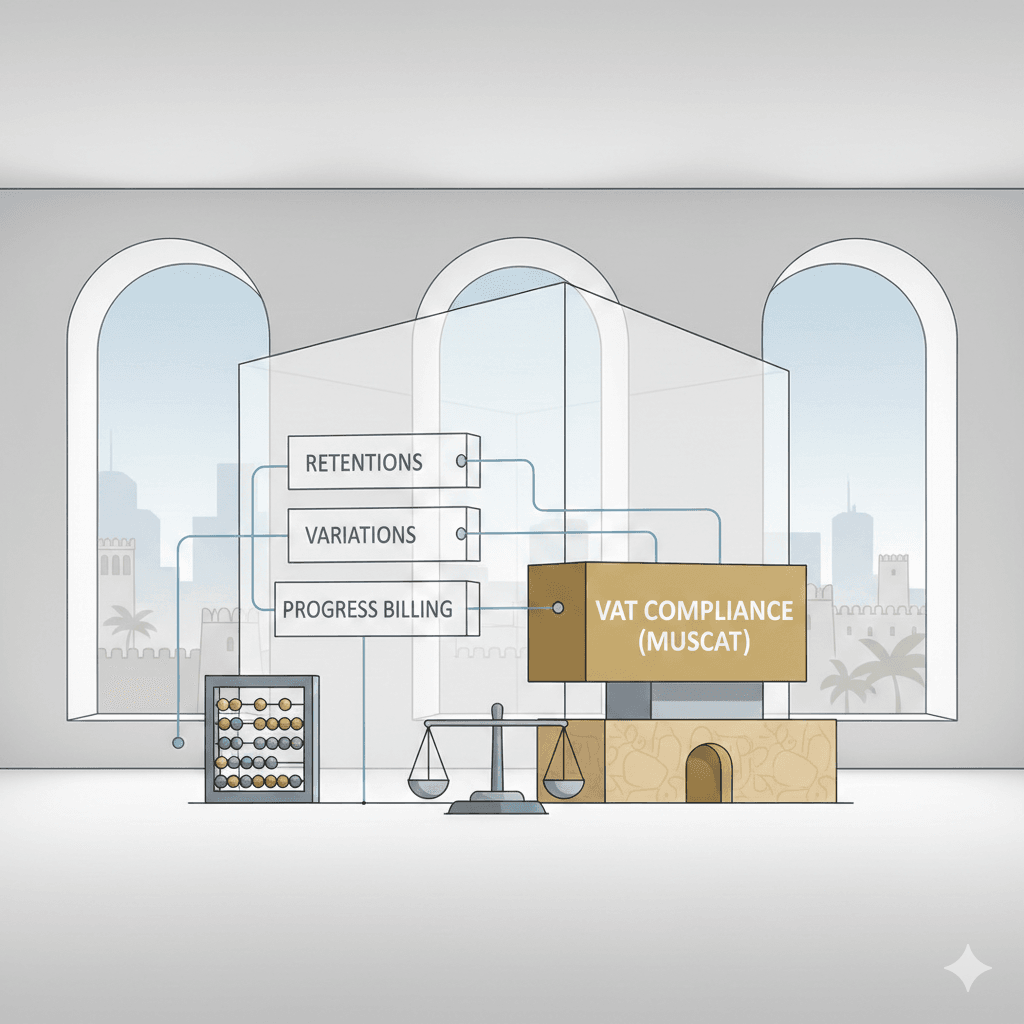
Value Added Tax (VAT) implementation in Oman has introduced both opportunities and complexities for SMEs in Ruwi Business District. Since trading firms often deal with large volumes of goods, ensuring accurate VAT calculation and timely filing is paramount. Many businesses in this district face the challenge of managing VAT on imports and local supplies simultaneously, necessitating a deep understanding of Oman’s VAT laws as they apply to their specific transactions. Errors in VAT accounting can lead to costly penalties and disrupt cash flow, making attention to detail essential.
Trading firms must maintain comprehensive VAT records including purchase invoices, sales invoices, and import documents. Given the volume of transactions, electronic accounting systems equipped with VAT-compliant features are vital. These systems reduce human error and automate VAT returns, freeing SMEs to focus on core business activities. Additionally, firms should keep abreast of VAT law updates, as Oman’s tax authority occasionally refines regulations affecting exemptions and zero-rated supplies, which are common in the trading industry.
Leaderly’s taxation advisory services are particularly relevant here, helping SMEs navigate the complexities of VAT compliance while identifying opportunities for optimization. Proper VAT management can improve liquidity by ensuring accurate input tax recovery and avoiding overpayments. For commercial firms in Ruwi, mastering VAT is not just about compliance but also about integrating it into a broader financial strategy that supports sustainable growth.
Effective Inventory Accounting for Commercial Success in Ruwi
Optimizing stock management through accounting
Inventory management is a cornerstone of successful trading and commercial firms in Ruwi. Accurate inventory accounting provides clarity on stock levels, cost of goods sold, and profitability. Many SMEs struggle with inconsistent stock records due to manual processes or fragmented systems, which can lead to stockouts or excess inventory. These issues directly impact cash flow and operational efficiency, making refined accounting techniques indispensable.
Accounting for inventory in Ruwi requires choosing appropriate valuation methods, such as FIFO (First-In-First-Out) or weighted average cost, tailored to the nature of goods and business cycles. The right method affects financial statements, tax liabilities, and management decisions. For instance, trading firms with perishable or seasonal goods benefit from FIFO, ensuring costs reflect actual flow and minimizing tax impact. Conversely, weighted average cost can smooth out price fluctuations in commodities or general goods.
Leaderly’s advisory expertise extends to inventory auditing and valuation support, helping SMEs implement systems that track stock movement accurately and generate reliable financial reports. Integrating inventory management with accounting software also enables real-time visibility, empowering firms to react promptly to market changes in Ruwi. This integration reduces errors, enhances audit readiness, and ensures compliance with both VAT and corporate tax requirements.
Adapting Corporate Tax Strategies for Ruwi Businesses
Aligning tax planning with local business realities
Oman’s introduction of corporate income tax regulations has significant implications for trading and commercial firms in the Ruwi Business District. SMEs here must now integrate corporate tax considerations into their financial planning, balancing tax efficiency with compliance. Due diligence in tax reporting and strategic planning can unlock savings and avoid unnecessary penalties. However, navigating the nuances of corporate tax laws requires tailored guidance reflecting Ruwi’s trading environment.
One challenge for firms is distinguishing between taxable income and allowable deductions, particularly in the context of trading expenses, depreciation of commercial assets, and provisions for bad debts. These factors directly affect taxable profit calculations. Moreover, transfer pricing rules and cross-border transactions require meticulous documentation to avoid disputes with tax authorities. As many Ruwi firms engage in import-export, adherence to these rules is crucial.
Leaderly’s corporate tax advisory services support SMEs in developing tax strategies that align with Oman’s laws while fitting the operational realities of Ruwi’s marketplace. From tax filing assistance to identifying optimal expense classifications, their guidance helps businesses maintain healthy financial positions and leverage tax benefits. By proactively managing corporate tax obligations, trading firms enhance credibility and attract potential investors or partners.
Leveraging Financial Advisory to Drive Growth in Ruwi
Strategic insights for trading and commercial SMEs
Beyond compliance, financial advisory plays a pivotal role in sustaining and expanding trading firms in Ruwi. SMEs must regularly evaluate business feasibility, conduct valuations, and prepare for potential liquidation or due diligence processes. These services provide clarity and direction, enabling owners to make informed decisions about investments, expansion, or restructuring. Financial advisory tailored to Ruwi’s commercial context is an invaluable asset.
For example, feasibility studies can analyze market demand fluctuations within Ruwi, helping firms decide on inventory diversification or entry into new segments. Valuation services assist owners in understanding their firm’s worth for mergers or funding, while liquidation advisory ensures that winding down operations, if necessary, happens smoothly and with minimal financial loss. These insights are essential in a district marked by competition and economic shifts.
Leaderly’s comprehensive advisory solutions blend accounting accuracy with strategic foresight. Their expertise helps SMEs navigate the complexities of Ruwi’s business environment, optimizing operational efficiency and long-term profitability. By leveraging these services, trading and commercial firms position themselves for resilience and success in Muscat’s vibrant marketplace.
Building Robust Audit Preparedness in Ruwi Firms
Ensuring transparency and compliance through audits
Audit readiness is a critical but often overlooked aspect for SMEs in the Ruwi Business District. Whether for internal management purposes or compliance with Oman’s regulatory authorities, robust audit processes safeguard business integrity and build stakeholder trust. Given the commercial intensity of Ruwi, audits reveal financial irregularities, tax discrepancies, and operational inefficiencies before they escalate.
Firms benefit from establishing clear documentation practices, periodic reconciliations, and employing audit trails within their accounting systems. This proactive approach reduces the risk of penalties and improves access to financing. Audits also serve as a diagnostic tool, identifying areas where financial controls can be strengthened or processes streamlined, which directly contributes to profitability.
Leaderly’s audit and accounting services guide Ruwi SMEs through every stage of audit preparation and execution. Their support ensures that firms maintain compliance with Oman’s tax and corporate governance regulations, reinforcing confidence among clients, suppliers, and investors. Ultimately, audit preparedness is not merely a regulatory burden but a strategic advantage in the competitive Ruwi commercial district.
In conclusion, SMEs operating in the Ruwi Business District face unique accounting and financial challenges tied to the district’s dynamic commercial environment. Understanding local VAT requirements, mastering inventory accounting, and adapting corporate tax strategies are vital for sustainable growth. Furthermore, leveraging financial advisory and audit preparedness strengthens operational resilience and positions firms for success within Muscat’s competitive trading landscape.
By adopting these targeted accounting tips, trading and commercial firms can navigate regulatory complexities confidently and optimize financial performance. Engaging with specialized advisory services like those offered by Leaderly ensures that SMEs in Ruwi not only meet compliance standards but also harness practical insights to drive long-term profitability and business expansion.
#Leaderly #RuwiBusinessDistrictAccountingTips #Oman #Muscat #SMEs #Accounting #Tax #Audit