Oman Vision 2040 ERP modernization: Strengthening Business Efficiency and Compliance
Understanding the Role of ERP Modernization in Oman Vision 2040
Aligning Enterprise Systems with National Economic Goals
The Oman Vision 2040 ERP modernization initiative is a pivotal element in the nation’s broader economic transformation agenda. As Oman seeks to diversify its economy beyond oil dependence, small and medium enterprises (SMEs) stand at the forefront of this change. Modernizing Enterprise Resource Planning (ERP) systems under Vision 2040 is not merely a technology upgrade but a strategic imperative to enhance operational efficiency, financial transparency, and regulatory compliance. ERP modernization enables SMEs in Oman to align their internal processes with the Vision 2040 goals, including digital transformation, productivity enhancement, and sustainable growth.
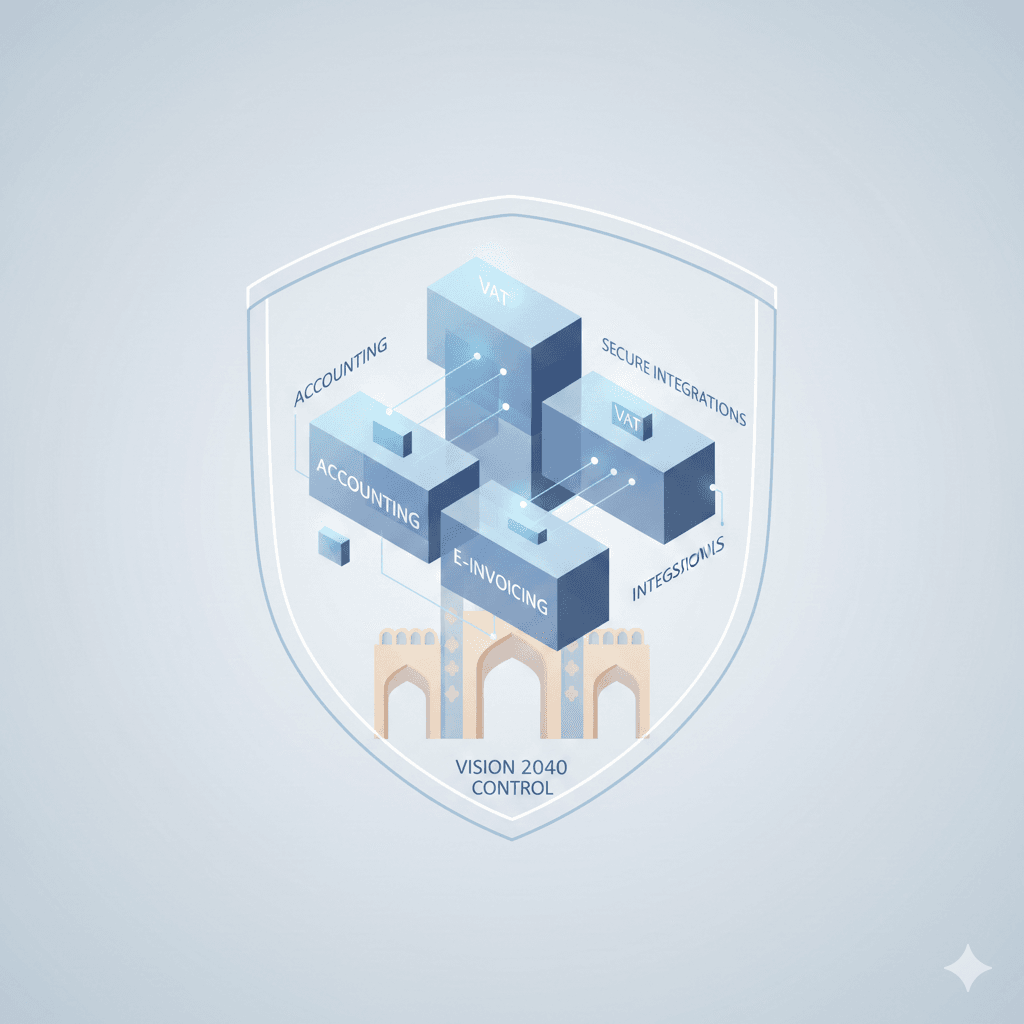
For businesses in Muscat and wider Oman, ERP systems serve as the backbone of daily operations—integrating finance, supply chain, human resources, and customer relations into a unified platform. However, legacy ERP systems often lack the flexibility and control needed to meet new regulatory requirements such as Oman’s VAT framework and the recent introduction of Corporate Tax. Modernizing these systems with embedded strong controls ensures that businesses can adapt swiftly while maintaining compliance and data integrity.
Moreover, Oman Vision 2040 emphasizes the creation of a knowledge-based economy, and modern ERP solutions are essential tools in this transition. By enabling better data analytics and real-time reporting, modern ERP systems empower SMEs to make informed decisions, optimize resource allocation, and identify new market opportunities. This strategic alignment with Vision 2040’s objectives positions ERP modernization as a cornerstone of business competitiveness in Oman.
Key Components of Strong Controls in ERP Systems for Omani SMEs
Ensuring Compliance, Security, and Operational Integrity
Strong controls embedded within modern ERP systems are critical for SMEs in Oman to meet stringent compliance standards and mitigate operational risks. These controls encompass a range of functions, including segregation of duties, automated audit trails, access management, and transaction validation. Implementing such controls reduces the risk of fraud and errors, which is particularly important as Oman’s tax environment evolves with more complex VAT and Corporate Tax regulations.
In addition, ERP controls support the accuracy and reliability of financial reporting—a key concern for SMEs preparing for audits or seeking external investment. Automated checks within the system can flag discrepancies early, minimizing manual intervention and human error. For business owners and finance managers, this means greater confidence in financial data and easier compliance with tax filings and regulatory submissions mandated under Oman Vision 2040 reforms.
Security is another vital aspect of ERP controls. SMEs must protect sensitive financial and operational data from unauthorized access or cyber threats. Modern ERP solutions offer role-based access controls and encrypted data storage, essential for safeguarding business information in an increasingly digital Omani marketplace. This security infrastructure supports Vision 2040’s broader goals of creating a secure and resilient digital economy.
Driving Operational Efficiency Through ERP Modernization
Streamlining Processes and Enhancing Productivity
Oman Vision 2040 ERP modernization is directly linked to improving operational efficiency within SMEs. Legacy systems often suffer from fragmented data and manual workflows, resulting in delays, redundancies, and higher operational costs. Upgrading to modern ERP platforms facilitates automation of routine tasks such as invoicing, payroll, inventory management, and procurement, enabling staff to focus on value-added activities that drive growth.
For SMEs operating in Muscat, faster and more accurate processes mean better customer service and quicker response times—critical competitive advantages in today’s fast-paced business environment. Real-time data synchronization across departments allows managers to identify bottlenecks and adjust resource allocation dynamically, further boosting productivity and operational agility.
Beyond process automation, modern ERP systems integrate analytics and reporting tools that support continuous improvement. SMEs can track key performance indicators aligned with Vision 2040 metrics, enabling a data-driven approach to business management. This leads to more informed strategic planning and a greater capacity to innovate, ultimately supporting Oman’s vision of sustainable economic diversification.
Adapting ERP Systems to Oman’s Evolving Tax Landscape
Ensuring VAT and Corporate Tax Compliance Through Technology
One of the pressing challenges for SMEs in Oman is adapting to the country’s evolving tax regulations, particularly VAT and the newly introduced Corporate Tax frameworks. Oman Vision 2040 ERP modernization plays a crucial role in ensuring tax compliance by embedding automated tax calculations, submission capabilities, and audit-ready documentation directly within the ERP system.
Accurate VAT reporting requires ERP systems that can handle complex tax codes and exemptions while maintaining detailed transaction records. Similarly, Corporate Tax compliance demands integration with financial statements and the ability to generate precise tax returns. Modern ERP solutions aligned with Leaderly’s advisory and tax expertise help SMEs navigate these complexities smoothly, reducing the risk of costly penalties or audits.
Moreover, these ERP enhancements enable businesses to produce comprehensive audit trails that facilitate due diligence processes and corporate valuations—services that are increasingly in demand as Omani SMEs seek investment or consider restructuring. With Vision 2040 focusing on enhancing the business environment, technology-driven tax compliance strengthens SME credibility and supports broader economic goals.
Leadership and Strategic Advisory: The Human Element in ERP Modernization
Partnering with Experts for Sustainable ERP Transformation
While technology is a vital enabler, successful ERP modernization in Oman requires strong leadership and strategic advisory aligned with Vision 2040’s ambitions. Business owners and finance managers benefit from partnering with experts who provide not only technical implementation but also insights into feasibility studies, system valuation, and process optimization tailored to the Omani market.
Leaderly’s integrated approach combines audit, accounting, and advisory services to help SMEs manage the complexities of ERP modernization effectively. By addressing both technology and governance, SMEs can ensure that ERP upgrades deliver measurable improvements in compliance, efficiency, and financial transparency. This holistic guidance is essential in Oman’s evolving business landscape where regulatory demands and digital maturity are rapidly advancing.
Furthermore, leadership engagement in change management ensures that staff are trained and processes are realigned to fully leverage modern ERP capabilities. This human factor is critical for sustaining benefits beyond initial implementation and embedding a culture of continuous improvement that supports Oman Vision 2040’s long-term economic transformation goals.
Building Resilience Through Continuous Improvement in ERP Controls
Future-Proofing SMEs for Oman’s Economic Ambitions
Oman Vision 2040 ERP modernization is not a one-time project but a continuous journey towards operational excellence and compliance resilience. As regulatory frameworks evolve and new digital threats emerge, SMEs must maintain robust ERP controls that can adapt and scale. This proactive stance enables businesses to anticipate changes rather than react, safeguarding their competitive position in Oman’s dynamic economy.
Continuous monitoring and periodic audits of ERP controls help identify weaknesses and opportunities for enhancement. This cycle of assessment and improvement aligns with Vision 2040’s emphasis on innovation and sustainable growth. SMEs equipped with agile ERP systems and strong internal controls are better positioned to respond to market disruptions and regulatory updates efficiently.
Ultimately, ERP modernization with embedded strong controls empowers Omani SMEs to not only comply with current regulations but to lead in operational excellence and governance. This resilience underpins the broader Vision 2040 aspiration of a vibrant, diversified economy driven by capable and forward-thinking enterprises.
In conclusion, Oman Vision 2040 ERP modernization is a strategic necessity for SMEs aiming to thrive in a competitive and regulated environment. By embedding strong controls and leveraging advisory expertise, businesses can enhance compliance, operational efficiency, and strategic decision-making. This modernization journey is fundamental to realizing the vision of a diversified, knowledge-based economy, where Omani SMEs are catalysts for growth and innovation.
For business owners, finance managers, and entrepreneurs in Oman, embracing ERP modernization means investing in a resilient infrastructure that supports sustainable growth and regulatory readiness. With the right technology and leadership alignment, SMEs can confidently navigate the complexities of today’s business landscape while positioning themselves for the opportunities of tomorrow—truly embodying the spirit of Oman Vision 2040.
#Leaderly #OmanVision2040ERPmodernization #Oman #Muscat #SMEs #Accounting #Tax #Audit