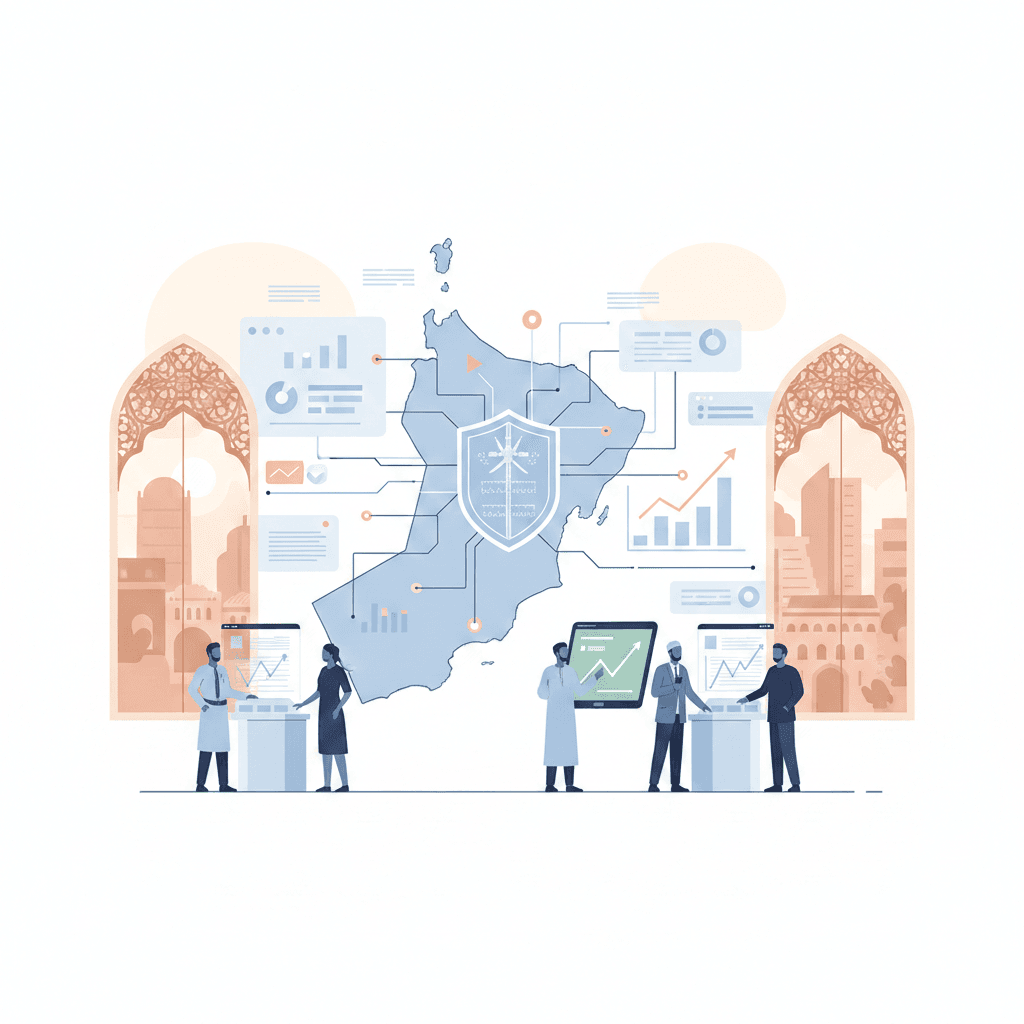
Oman Vision 2040 Endpoint Security: Safeguarding SME Growth and Digital Transformation
Understanding Endpoint Security in the Context of Oman Vision 2040
Oman Vision 2040 endpoint security is a vital component in the ongoing digital transformation shaping the Sultanate’s future. As SMEs and entrepreneurs in Muscat and throughout Oman rapidly adopt cloud services, remote work, and advanced digital technologies, their vulnerability to cyber threats grows substantially. Endpoint security encompasses the strategies and technologies designed to protect end-user devices—such as laptops, smartphones, tablets, and IoT devices—from malicious attacks and unauthorized access. These devices act as gateways to corporate networks and sensitive business information, making their protection essential. For SMEs, which often operate without extensive IT resources, maintaining a robust endpoint security stance is crucial for resilience against cyber risks, alignment with national digital goals, and building trust with clients and stakeholders.
Oman Vision 2040 prioritizes innovation and digital infrastructure to drive economic diversification, making secure technology adoption a strategic necessity. Endpoint security forms the frontline defense that enables SMEs to confidently integrate new technologies without compromising operational integrity. This approach requires a blend of technical safeguards, such as antivirus, firewalls, and encryption, alongside clear security policies tailored to Oman’s regulatory environment. Additionally, endpoint security is not static; it must evolve continuously to respond to emerging threats and maintain compliance with Oman’s cybersecurity frameworks. The emphasis on endpoint protection under Vision 2040 reflects the Sultanate’s commitment to secure, sustainable digital growth for its SME sector.
Effective endpoint security solutions empower SME finance managers and business owners to mitigate risks related to data breaches and cyber fraud. As taxation and regulatory frameworks in Oman grow more complex—especially with the introduction of VAT and corporate tax—businesses must secure their financial systems from attacks that could disrupt compliance or cause data loss. Leaderly’s advisory services help SMEs assess their endpoint security readiness within the broader context of audit, taxation, and governance requirements. In this way, endpoint security supports not just IT objectives but the financial and operational health of Omani SMEs navigating the Vision 2040 landscape.
Challenges Facing SMEs in Oman on Endpoint Security Implementation
Despite its importance, endpoint security presents several challenges for SMEs in Oman. Many smaller businesses operate with limited IT resources and expertise, which can leave endpoint defenses insufficient or improperly managed. The variety of devices used by employees, often including personal smartphones and laptops, complicates the task of maintaining a consistent security posture. This ‘bring your own device’ (BYOD) trend, while enhancing flexibility, introduces additional vulnerabilities that SMEs must address with clear policies and technical controls. For SMEs focused on growth, these complexities can lead to overlooked security gaps that cybercriminals exploit.
Another significant challenge is the evolving nature of cyber threats. Ransomware, phishing scams, and malware attacks are becoming more sophisticated and targeted toward smaller enterprises, recognizing that SMEs typically invest less in cybersecurity compared to larger firms. In Oman’s business context, these attacks can disrupt operations, compromise sensitive client and financial data, and damage reputations at a time when the government encourages digital economy expansion. SMEs must balance the costs of endpoint security with the potential financial and reputational damage of cyber incidents. This balancing act demands informed decision-making, guided by practical advisory services that understand Oman’s SME landscape.
Additionally, regulatory compliance in Oman adds another layer of complexity. With Oman’s implementation of VAT and corporate tax, businesses must ensure their digital systems, including endpoints, support accurate financial reporting and data protection requirements. Failure to secure endpoints can lead to breaches that compromise audit trails or financial records, creating risks during tax filing and inspections. SMEs must navigate these demands while integrating endpoint security solutions seamlessly into their existing operations. Leaderly’s expertise in audit, tax, and advisory services positions it uniquely to support SMEs in overcoming these intertwined challenges, delivering tailored strategies that protect business continuity and compliance.
Practical Steps for Strengthening Endpoint Security in Omani SMEs
Omani SMEs can take several pragmatic steps to enhance their endpoint security posture aligned with Oman Vision 2040 objectives. First, developing a clear cybersecurity policy that defines device usage, access controls, and incident response is foundational. This policy should address the risks associated with personal device use, remote work, and cloud application access. Training employees on cybersecurity best practices, especially recognizing phishing attempts and reporting suspicious activity, is equally crucial. Given the human factor is often the weakest link in security, awareness programs tailored for non-technical staff help build a culture of vigilance.
Technological measures are equally essential. SMEs should deploy endpoint protection platforms that integrate antivirus, anti-malware, firewalls, and encryption. These tools must be regularly updated to counter emerging threats. Cloud-based endpoint security solutions offer scalability and cost-efficiency, making them suitable for smaller businesses in Oman with fluctuating workforce sizes. Furthermore, regular security audits and vulnerability assessments can identify weaknesses before attackers exploit them. Leaderly’s audit and advisory services provide SMEs with the expertise to evaluate current security controls, benchmark against industry standards, and implement improvements aligned with regulatory compliance and business needs.
Finally, SMEs must adopt an incident response plan specifically tailored to endpoint breaches. Prompt detection, containment, and recovery minimize business disruption and financial loss. This plan should include communication protocols, data backup procedures, and coordination with relevant authorities, such as Oman’s Information Assurance Center. A proactive approach to endpoint security, integrated with broader digital governance frameworks, ensures that SMEs contribute positively to Oman Vision 2040 by safeguarding their assets and enhancing stakeholder confidence.
The Role of Endpoint Security in Oman’s Digital Economy Transformation
Endpoint security is foundational to the broader digital economy transformation outlined in Oman Vision 2040. The government’s push for digitization, innovation, and economic diversification hinges on the ability of SMEs to adopt new technologies confidently and securely. Endpoint protection enables secure remote work, cloud adoption, e-invoicing, and digital payment systems—key pillars of the modern business environment. For SMEs in Muscat and beyond, endpoint security fosters resilience that supports operational continuity and competitive advantage in an increasingly digital marketplace.
Moreover, endpoint security aligns with Oman’s regulatory evolution toward greater transparency and accountability in business operations. Secure endpoints help maintain data integrity and auditability, essential for compliance with VAT and corporate tax regulations. This security assurance not only protects SMEs but also builds trust with customers, partners, and regulatory bodies. Leaderly’s integrated audit and advisory approach helps SMEs understand these linkages and implement endpoint security as a strategic business enabler, not just a technical expense.
The acceleration of digital transformation in Oman creates opportunities and risks in equal measure. As SMEs adopt IoT devices, mobile apps, and cloud services, the attack surface expands, making endpoint security a continuous priority. Investing in endpoint protection now prepares businesses for future challenges, ensuring that Oman Vision 2040’s vision of a vibrant, tech-enabled SME sector becomes a secure and sustainable reality.
Leadership and Governance in Endpoint Security for Oman SMEs
Effective endpoint security demands leadership commitment and clear governance frameworks within SMEs. Business owners and finance managers must understand their roles in setting cybersecurity priorities and allocating resources appropriately. Oman Vision 2040 underscores the importance of governance in digital initiatives, encouraging SMEs to formalize their cybersecurity strategies as part of overall business planning. This governance includes appointing responsible individuals for cybersecurity oversight and integrating endpoint security metrics into regular performance reviews.
Leadership involvement also extends to fostering collaboration between IT teams, finance departments, and external advisors like Leaderly. This multidisciplinary approach ensures that endpoint security strategies consider business risks, compliance requirements, and operational realities simultaneously. Transparent communication and ongoing training reinforce accountability and adaptability as cyber threats evolve. For SMEs in Oman, this governance culture translates into stronger defenses, better risk management, and alignment with national digital ambitions.
Finally, regulatory authorities in Oman continue to enhance cybersecurity standards and enforcement mechanisms, making governance even more critical. SMEs that proactively embed endpoint security governance position themselves favorably for audits and regulatory assessments, avoiding penalties and reputational damage. This foresight supports business sustainability and growth, essential for realizing the economic diversification goals of Oman Vision 2040.
Endpoint security remains a cornerstone of Oman Vision 2040’s digital transformation agenda. By addressing challenges, implementing practical solutions, and fostering leadership in cybersecurity governance, SMEs in Oman can safeguard their operations and thrive in a secure digital future.
Through informed planning and expert advisory support, endpoint security can move from being a technical hurdle to a strategic asset that enhances compliance, operational resilience, and business confidence. Oman’s SME sector stands to benefit immensely by prioritizing endpoint security today, ensuring its digital ambitions are matched by robust protection and sustainable growth.
#Leaderly #OmanVision2040EndpointSecurity #Oman #Muscat #SMEs #Accounting #Tax #Audit