
Urban Development
Advisory and financial support for urban development initiatives focused on planning, governance, and sustainable growth.
Overview
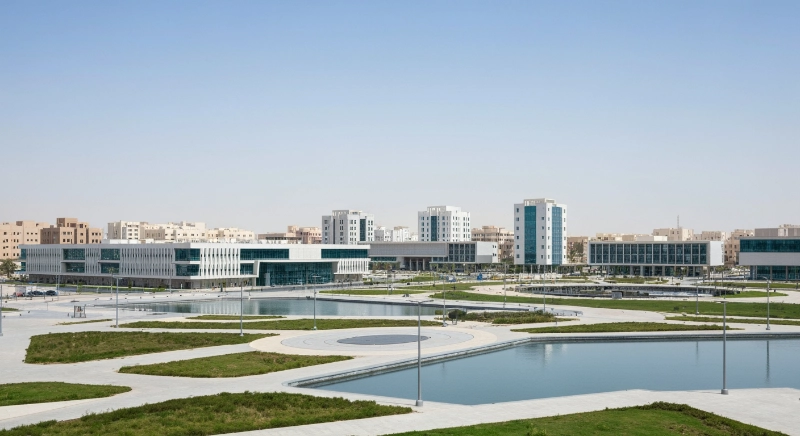
Urban development is a long-term, system-level undertaking that shapes how cities grow, function, and sustain their populations over decades. It brings together public authorities, private developers, financiers, regulators, and communities within highly interdependent frameworks where decisions made today carry financial, social, and environmental consequences far into the future.
Leaderly auditors and consultants support organisations operating within urban development environments by strengthening governance, improving decision discipline, and enhancing oversight across complex, multi-stakeholder development systems.

System Complexity & Governance Reality
Urban development operates across multiple layers of authority and responsibility. Public institutions, private developers, financiers, regulators, and operators interact within shared decision spaces where mandates often overlap and responsibilities shift over time.
This environment creates structural challenges such as:
-
Diffuse decision ownership
-
Extended approval chains
-
Gaps between policy intent and execution
-
Limited visibility across interconnected programmes
Effective urban development depends less on individual actions and more on the clarity, discipline, and continuity of governance structures that guide decisions across the system.

Strategic Direction & Urban Continuity
Urban development initiatives are expected to align with national strategies, city master plans, and long-term social and economic objectives. Misalignment often results in fragmented development, underperforming assets, and regulatory friction.
Strategic coherence in urban development is achieved through:
-
Consistent alignment between policy, planning, and execution
-
Decision continuity across political and organisational change
-
Clear prioritisation of long-term urban outcomes over short-term pressures
Urban success is measured not only by delivery, but by how well development choices continue to serve cities and communities over time.
Long-Term Exposure: Capital, Risk, and Sustainability
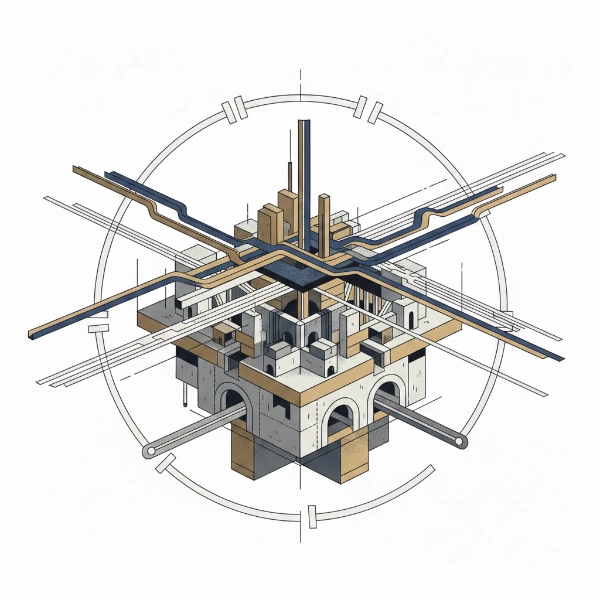
Urban development involves long-term exposure rather than short-term delivery risk. Capital commitments extend beyond construction into operation, maintenance, and renewal, while risks evolve across planning, procurement, delivery, and lifecycle performance.
Key realities include:
-
Accumulating financial exposure rather than short-term cost risk
-
Risks that shift rather than disappear across project phases
-
Sustainability pressures that affect long-term asset performance and public trust
Managing this exposure requires integrated oversight that connects financial discipline, risk awareness, and sustainability considerations into a single decision framework.
Where Leaderly Contributes
Within urban development systems, Leaderly contributes through independent oversight and structured advisory support that strengthens governance, improves decision discipline, and enhances transparency across complex development environments.
The focus is not on managing projects, but on supporting organisations to:
-
Maintain control across long timelines
-
Navigate complexity with confidence
-
Make risk-aware, accountable decisions that endure
Supporting Cities That Last
Urban development shapes cities for generations. When governance is clear, exposure is managed holistically, and strategy remains aligned over time, urban systems become more resilient, sustainable, and accountable.
Leaderly supports organisations in achieving this balance — helping urban development initiatives deliver outcomes that last beyond individual projects and planning cycles.