
Infrastructure
Audit, advisory, and financial support for infrastructure organisations delivering complex, capital-intensive projects.

Overview
Leaderly auditors and consultants in the infrastructure industry play a crucial role in ensuring the efficient and effective management of infrastructure projects. These professionals possess a strong combination of technical expertise, industry knowledge, and leadership skills, enabling them to provide valuable insights and guidance to clients operating within the infrastructure sector.
Key Areas of Expertise
Audit and Compliance
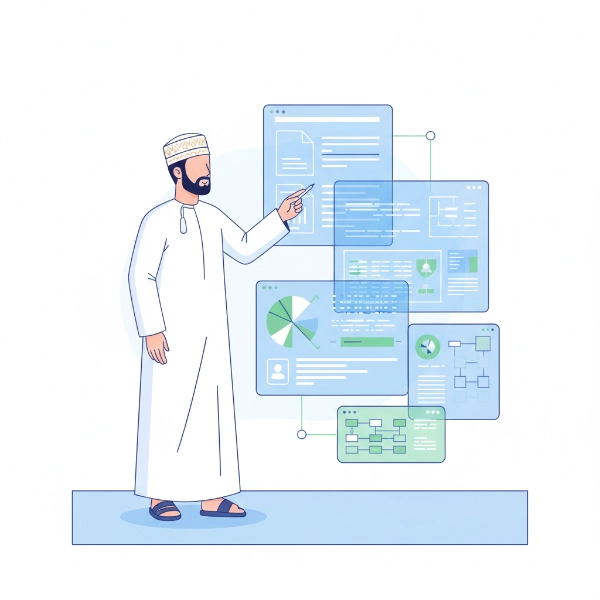
Leaderly auditors in the infrastructure industry are responsible for conducting audits and assessing compliance with regulatory standards, industry best practices, and contractual obligations. They review project documentation, financial records, and operational processes to identify gaps, risks, or areas requiring improvement.

Risk Management
Consultants support infrastructure organisations in identifying, assessing, and managing risks associated with infrastructure projects. They develop risk mitigation strategies and ensure that appropriate risk management processes are implemented and maintained throughout the project lifecycle.
Performance Evaluation
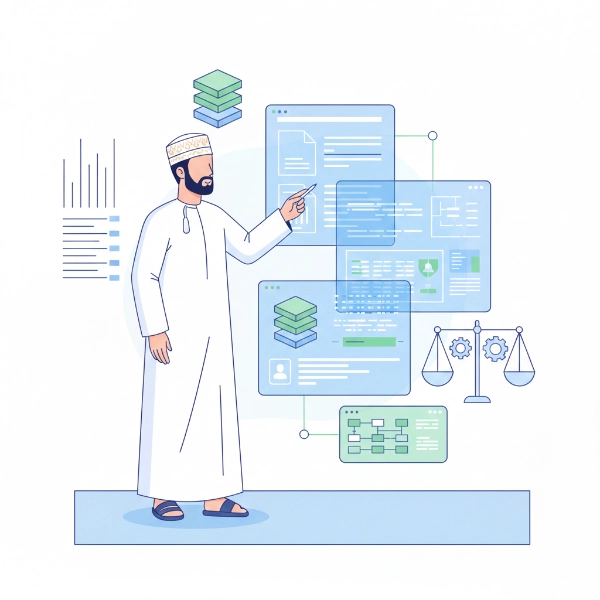
Leaderly auditors and consultants evaluate the performance of infrastructure projects by examining factors such as cost control, schedule adherence, quality management, and stakeholder satisfaction. Based on these assessments, they provide recommendations aimed at enhancing project performance and achieving intended outcomes.

Process Improvement
These professionals identify inefficiencies and bottlenecks within infrastructure organisations and propose process improvements to enhance productivity and cost-effectiveness. Recommendations may include implementing new technologies, optimising resource allocation, or streamlining workflows to support operational excellence.

Financial Analysis
Auditors and consultants analyse financial data related to infrastructure projects, assess budgetary controls, and provide insights into financial performance. They support clients in budget planning, cost forecasting, and optimising financial resources to ensure project sustainability and value for money.

Stakeholder Management
Leaderly auditors and consultants recognise the importance of effective stakeholder engagement and communication. They facilitate collaboration between project teams, contractors, government entities, and other stakeholders to support project success and address challenges or conflicts as they arise.

Sustainability and Compliance
With the increasing focus on sustainability, auditors and consultants assist infrastructure clients in meeting environmental, social, and governance (ESG) standards. They provide guidance on integrating sustainable practices, complying with relevant regulations, and implementing initiatives that promote environmental responsibility and long-term impact.

Strategic Planning
These professionals contribute to strategic planning by providing insights into market trends, industry developments, and emerging technologies. They help clients identify growth opportunities, make informed investment decisions, and align infrastructure strategies with long-term organisational and national development goals.
Overall Value
Overall, Leaderly auditors and consultants in the infrastructure industry combine technical expertise with strong leadership capability to drive excellence, ensure compliance, mitigate risks, and optimise project performance. Their contributions are essential to the successful delivery of infrastructure projects and the sustainable development of communities.