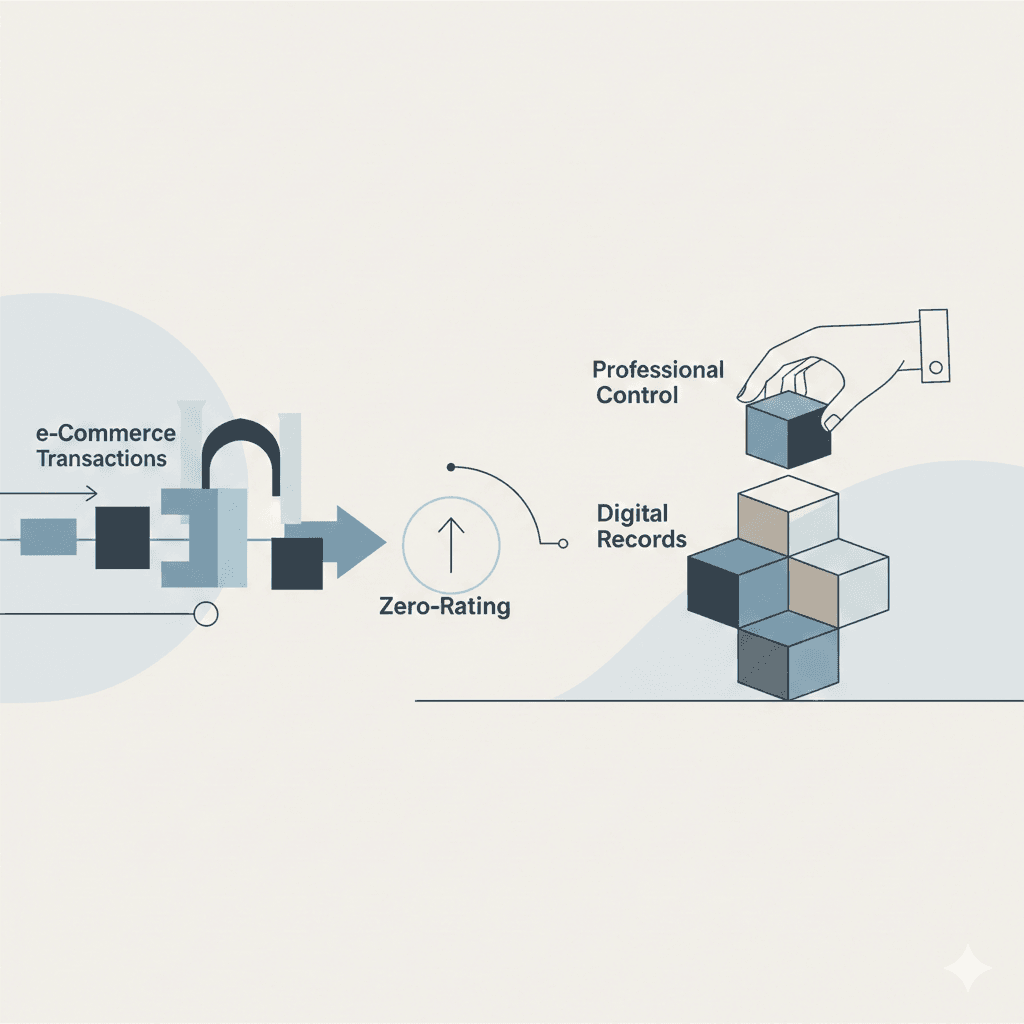
Expense Categorization in Muscat: Enhancing Financial Clarity for SMEs
Understanding Expense Categorization for Muscat SMEs
Effective expense categorization in Muscat is essential for SMEs aiming to maintain accurate financial records and optimize their business operations. Categorizing expenses means systematically grouping costs according to their nature, such as operational, administrative, or marketing expenses. This process is especially critical in Muscat’s competitive business environment, where clear financial visibility can influence strategic decisions and compliance with local regulations like VAT and Corporate Tax. Without a structured approach, business owners and finance managers risk losing control over cash flow and missing valuable insights into spending patterns.
The Impact of Categorization on Financial Reporting Accuracy
Accurate expense categorization significantly enhances the reliability of financial reports, which are vital for SMEs seeking financing, partnerships, or market growth in Muscat. Financial statements that reflect properly classified expenses provide transparency to auditors, tax authorities, and potential investors. For instance, separating capital expenditures from operating expenses not only aligns with accounting standards but also helps in calculating depreciation and tax liabilities correctly. This clarity supports better compliance with Oman’s evolving tax laws, including recent corporate tax regulations, while enabling SMEs to identify cost-saving opportunities and improve budgeting precision.
Practical Steps to Implement Expense Categorization
Muscat-based SMEs can implement practical expense categorization by first mapping out typical expense types unique to their sector and business size. Engaging a professional advisory service like Leaderly can provide tailored categorization frameworks aligned with Omani accounting standards and regulatory requirements. Next, integrating accounting software that supports custom expense categories helps automate the classification process, reducing errors and saving time. Regular training for finance teams on categorization best practices further strengthens accuracy, enabling consistent financial management that aids in VAT filing, audit preparation, and strategic business reviews.
Common Challenges in Expense Categorization in Muscat
Despite its importance, many SMEs in Muscat face challenges in establishing robust expense categorization systems. One common issue is the lack of awareness about the distinct categories required for compliance under Oman’s tax laws, which can lead to misclassification and potential penalties. Additionally, small businesses often struggle with inconsistent bookkeeping due to manual processes or limited financial expertise. This inconsistency affects the quality of management reports, causing delays in decision-making and difficulty during external audits. Overcoming these obstacles demands a combination of professional guidance and adopting automated tools suited to local business contexts.
Aligning Categorization with VAT and Corporate Tax Requirements
Oman’s VAT implementation and the upcoming Corporate Tax have introduced new demands on how expenses must be categorized and reported. For SMEs in Muscat, understanding the tax implications of different expense types is critical. Certain expenses, like business meals or entertainment, may be partially non-deductible for tax purposes and thus require separate tracking. Leaderly’s advisory services can assist businesses in setting up expense categories that facilitate accurate VAT recovery and corporate tax filing. This proactive alignment not only ensures compliance but also minimizes the risk of costly adjustments and audits by the Oman Tax Authority.
Using Categorization to Drive Business Insights and Growth
Beyond compliance, expense categorization in Muscat serves as a strategic tool for SMEs to gain deeper insights into their cost structures. When expenses are consistently categorized, finance managers can analyze trends over time, identify areas of overspending, and make informed decisions about resource allocation. For example, distinguishing marketing expenses from general administrative costs enables a clearer evaluation of campaign ROI. This insight helps business owners and entrepreneurs in Muscat optimize their budgets, improve profitability, and plan for sustainable growth while ensuring that financial reports are transparent and audit-ready.
Conclusion
Implementing a disciplined approach to expense categorization in Muscat is more than just a compliance exercise; it is a foundational practice that drives financial clarity and operational efficiency for SMEs. By structuring expenses in alignment with Oman’s tax and accounting regulations, businesses can enhance reporting accuracy, reduce risks related to audits and penalties, and position themselves for better financial decision-making. Adopting technology and seeking expert advisory support, such as from Leaderly, empowers SMEs to navigate the complexities of expense management with confidence.
For business owners and finance managers in Muscat, the value of proper expense categorization lies in its ability to transform raw financial data into actionable insights. This empowers SMEs to optimize their cost management, improve cash flow control, and unlock growth opportunities while staying compliant with local regulations. Ultimately, expense categorization serves as a cornerstone of sound financial stewardship, enabling SMEs in Oman to build resilient and sustainable enterprises.
#Leaderly #ExpenseCategorizationinMuscat #Oman #Muscat #SMEs #Accounting #Tax #Audit