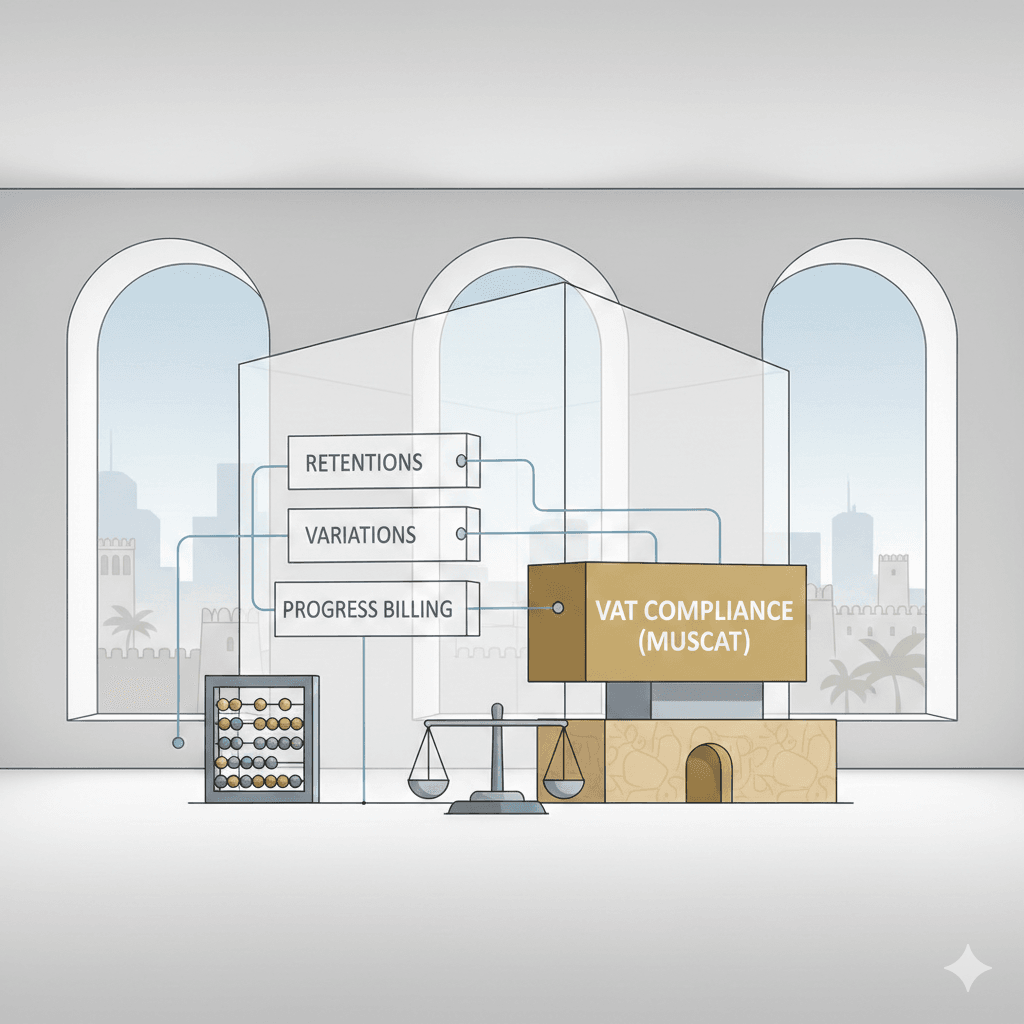
Al Ghubrah Clinics Patient Billing Controls: Safeguarding Revenue in Healthcare SMEs
Understanding Revenue Leakage in Al Ghubrah Clinics
Al Ghubrah Clinics patient billing controls are essential because revenue leakage happens when billing processes fail to capture the full charges for services provided. This shortfall can stem from manual mistakes, inadequate controls, and inconsistent record-keeping, resulting in lost income and operational setbacks. For SME owners and finance managers in Muscat’s healthcare sector, identifying the root causes of leakage is vital to safeguarding profit margins amid rising competition. These clinics often manage complex billing involving multiple treatments, insurance processing, and compliance with regulations such as VAT. Without strong patient billing controls, clinics risk undercharging or delayed payments, which can disrupt cash flow and threaten business sustainability.
Addressing these risks demands a comprehensive approach to billing governance that balances accuracy with operational efficiency. For Al Ghubrah Clinics, this means integrating clear protocols that ensure every consultation, test, or procedure is correctly documented and charged. It also requires training staff on proper coding and invoicing, as errors here can cascade into larger financial discrepancies. An emphasis on systematised billing controls aligns with Oman’s evolving tax environment, where authorities increasingly expect transparent VAT and corporate tax reporting. Clinics that adopt proactive billing control frameworks not only mitigate leakage but also position themselves for smoother audits and stronger financial health.
Importantly, these controls must be practical and tailored for SME settings where resources can be limited. Overly complex systems risk staff resistance or inconsistent application, whereas overly simplistic controls may fail to catch critical errors. Leadership in Al Ghubrah Clinics should therefore focus on designing billing workflows that leverage technology alongside clear policies, ensuring staff accountability while maintaining patient service quality. This balance is key to locking in revenue that can be reinvested into clinical improvements and business growth.
Key Components of Effective Patient Billing Controls in Al Ghubrah Clinics
Effective patient billing controls in Al Ghubrah Clinics revolve around three essential pillars: accuracy, documentation, and oversight. Accuracy begins with correct patient data entry, service coding, and fee schedules aligned to Omani healthcare regulations. Small discrepancies in these initial steps can escalate into substantial revenue loss over time. Clinics must therefore ensure staff are well-trained on service catalogues, pricing changes, and VAT application to prevent common billing errors.
Thorough documentation acts as the backbone of the billing process, providing an audit trail for each patient transaction. Maintaining clear records of consultations, treatments, approvals, and payments is necessary not only for financial reconciliation but also for compliance with Oman’s tax and audit requirements. Digital systems can facilitate this by automating data capture and reducing human error, but they must be configured to meet local standards and the specific needs of clinics.
Oversight involves regular reviews and reconciliations by finance managers or external auditors to detect irregularities early. This includes cross-checking billing reports against appointment logs, insurance claims, and bank deposits. For SMEs in Al Ghubrah, periodic advisory services can bring added value by identifying process gaps, suggesting feasibility improvements, and assisting with VAT and corporate tax filings. A strong oversight mechanism fosters accountability and continuous improvement, thereby reducing leakage risks and boosting financial confidence.
Leveraging Technology to Strengthen Billing Accuracy in Al Ghubrah Clinics
Technology plays a pivotal role in strengthening patient billing controls for Al Ghubrah Clinics, offering tools that automate calculations, validate data, and streamline reporting. Electronic health record (EHR) systems integrated with billing modules enable clinics to capture services rendered in real-time and generate accurate invoices that reflect Omani tax regulations. This reduces reliance on manual input, which is often a major source of billing errors and revenue leakage.
Furthermore, digital billing platforms can incorporate built-in checks for VAT compliance, ensuring the correct tax rates are applied and documented per transaction. This functionality is essential in Oman’s evolving taxation landscape, where clinics must meet the Ministry of Finance’s standards for VAT and corporate tax reporting. Automated alerts for overdue payments and discrepancies also help clinics maintain tighter control over receivables, which is crucial for SME cash flow stability.
Despite these advantages, clinics must be mindful of selecting technology solutions that align with their operational scale and staff capabilities. Overly complex or poorly supported systems can hinder rather than help billing accuracy. Partnering with advisory firms like Leaderly can provide valuable guidance in choosing and implementing appropriate financial technologies, as well as training staff to maximize their benefits. Ultimately, technology is a powerful enabler of billing controls when integrated thoughtfully within Al Ghubrah Clinics’ existing workflows.
Implementing Compliance Measures to Prevent Billing Leakage in Al Ghubrah Clinics
Compliance with Oman’s healthcare regulations and tax laws is a non-negotiable element in preventing billing leakage at Al Ghubrah Clinics. VAT implementation, in particular, requires clinics to maintain transparent and accurate documentation of taxable services, exemptions, and input VAT credits. Failure to comply can result in costly penalties and reputational damage. SMEs must therefore embed compliance checks within their billing processes, ensuring that all invoicing reflects current legal requirements.
Regular internal audits and due diligence activities are critical to verify that patient billing aligns with both clinical and financial records. These practices help identify systemic issues such as unauthorized discounts, unrecorded services, or inconsistent application of VAT. Leadership should encourage a culture of compliance, where staff understand the importance of accurate billing not only for legal reasons but also for the clinic’s long-term viability.
Engaging professional audit and advisory services can provide Al Ghubrah Clinics with an external perspective to uncover hidden leakage points and recommend practical improvements. This can include assistance with feasibility studies for process redesign, valuation of revenue streams, and preparation for liquidation scenarios if needed. By integrating compliance into everyday billing activities, clinics protect their financial integrity and build trust with patients and regulators alike.
Building a Culture of Accountability and Training for Billing Controls in Al Ghubrah Clinics
The human factor remains a significant driver of billing accuracy and revenue protection in Al Ghubrah Clinics. Developing a culture of accountability ensures that all staff involved in patient registration, consultation recording, billing, and collections understand their roles in preventing leakage. Clear policies, combined with regular training sessions, empower employees to identify and rectify errors promptly.
Investing in ongoing education about updates in pricing, VAT rules, and audit findings keeps the team aligned with current requirements. For SME clinics, this approach mitigates the risk of mistakes that arise from knowledge gaps or procedural ambiguities. Additionally, fostering open communication channels between clinical and finance departments supports collaboration and shared responsibility for billing integrity.
Leadership in Al Ghubrah Clinics should also implement performance metrics linked to billing accuracy and compliance adherence. Recognizing and rewarding staff contributions to revenue protection reinforces positive behavior and encourages continuous vigilance. Such a culture not only reduces leakage but also improves patient experience by minimizing billing disputes and enhancing transparency.
Financial Advisory Support as a Strategic Advantage for Al Ghubrah Clinics
Partnering with financial advisory experts offers Al Ghubrah Clinics strategic advantages in strengthening patient billing controls. Advisory services provide specialized expertise in VAT, corporate tax, and audit compliance tailored to Oman’s healthcare context. This support enables SMEs to navigate complex regulatory frameworks efficiently while optimizing financial processes.
Financial advisors can conduct due diligence reviews that identify billing inefficiencies and recommend corrective actions, including system upgrades and workflow redesigns. They also assist in feasibility assessments for growth initiatives, ensuring clinics maintain financial health while expanding services. In cases of liquidation or valuation, expert guidance helps clinics safeguard stakeholder interests and meet legal obligations.
Integrating audit and accounting services within this advisory framework promotes continuous improvement and risk mitigation. For Al Ghubrah Clinics, leveraging such professional support not only curbs revenue leakage but also builds resilience against future financial challenges. This alignment of clinical and financial governance is essential for sustaining competitive advantage and long-term success in Muscat’s healthcare market.
In conclusion, robust patient billing controls are indispensable for Al Ghubrah Clinics seeking to prevent revenue leakage and enhance financial stability. By addressing common billing errors, leveraging technology, embedding compliance measures, fostering staff accountability, and engaging advisory expertise, clinics can protect and grow their revenue streams effectively.
For SMEs operating in the competitive and regulated healthcare environment of Muscat, these practices translate into improved cash flow, audit readiness, and operational confidence. Implementing well-designed billing controls aligned with Oman’s tax requirements will empower Al Ghubrah Clinics to focus on delivering high-quality patient care while maintaining sound financial governance.
#Leaderly #AlGhubrahClinicsPatientBillingControls #Oman #Muscat #SMEs #Accounting #Tax #Audit