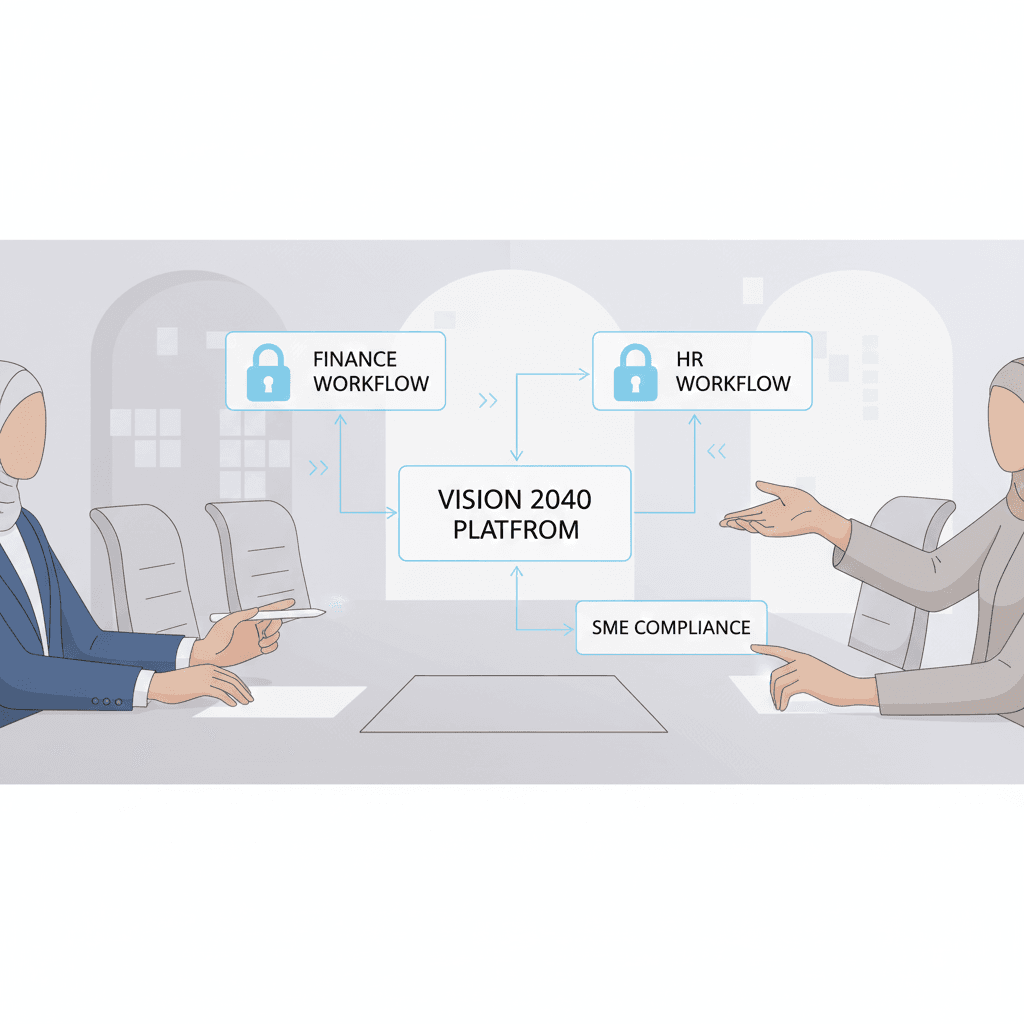
Oman Vision 2040 Digital Transformation: Understanding the Shift from Digitization to Transformation
The Context of Oman Vision 2040 Digital Transformation
Oman Vision 2040 Digital Transformation stands as a cornerstone for the Sultanate’s ambitious roadmap toward economic diversification and sustainability. Unlike mere digitization, which involves converting analog processes into digital formats, digital transformation is a comprehensive reimagining of business models, operations, and culture to leverage technology strategically. For SMEs and entrepreneurs in Muscat, embracing this shift is no longer optional but imperative for survival and growth within an increasingly competitive marketplace. As Oman seeks to diversify beyond oil dependency, the government’s focus on technology-driven innovation is a critical enabler of this national vision. This article explores how the subtle yet powerful differences between digitization and transformation are shaping Oman’s business landscape, particularly for SMEs and finance leaders navigating these changes.
Digitization: The First Step for Muscat’s SMEs
Digitization in Oman primarily refers to the process of converting paper-based records, manual workflows, and physical assets into digital equivalents. For many SMEs in Muscat, this means adopting accounting software, implementing electronic invoicing systems, or using cloud-based tools to manage day-to-day operations more efficiently. This stage is essential but limited—it improves speed, accuracy, and accessibility but does not fundamentally change how businesses create value or compete. From a taxation standpoint, for instance, digitization enables more accurate VAT reporting and compliance, simplifying regulatory obligations. While digitization helps SMEs reduce operational friction, it remains a tactical, incremental improvement rather than a strategic transformation.
The Emergence of Digital Transformation in Oman
Digital transformation in Oman Vision 2040 transcends the technical conversion of processes; it is about embedding technology into the core strategy and culture of businesses. This shift demands SMEs rethink their value propositions, customer engagement methods, and internal decision-making processes. Technologies such as AI, big data analytics, and cloud computing become tools for innovation rather than just operational support. For finance managers, this transformation means leveraging real-time data for predictive insights, enhancing risk management, and optimizing cash flow. Leaderly’s advisory services emphasize guiding SMEs through this transition by aligning technology adoption with strategic goals, ensuring that digital investments yield sustainable competitive advantages rather than superficial upgrades.
Operational Impacts of Oman Vision 2040 Digital Transformation
The operational impact of Oman Vision 2040 Digital Transformation is profound for SMEs striving to improve agility and responsiveness. Digitized systems may speed up invoicing or payroll, but transformation restructures entire workflows, often automating routine tasks and freeing human capital for higher-value activities. Muscat-based enterprises adopting digital transformation can integrate their accounting and audit processes seamlessly with real-time compliance monitoring, reducing error rates and audit timelines. Furthermore, this transformation supports improved corporate tax management by enabling transparency and traceability, which are vital under evolving Omani tax regulations. Leaderly’s expertise ensures that these operational improvements align with regulatory frameworks, minimizing risk while maximizing efficiency.
Challenges and Opportunities for SMEs in Muscat
While Oman Vision 2040 Digital Transformation offers numerous opportunities, it also poses distinct challenges for SMEs. Limited resources, skill gaps, and resistance to change can hinder transformation efforts. However, the Omani government’s digital economy initiatives, including incentives and capacity-building programs, provide a supportive ecosystem for SMEs to innovate. Finance managers must also consider the cost-benefit balance of transformation investments, choosing scalable and flexible solutions that fit their unique contexts. Advisory services from firms like Leaderly assist SMEs in conducting feasibility studies and valuations to make informed decisions, ensuring digital transformation delivers measurable ROI and long-term sustainability.
The Strategic Role of Advisory and Audit in Supporting Transformation
Effective digital transformation requires continuous monitoring, assessment, and adjustment—areas where audit and advisory services play a crucial role. In Oman, as businesses adopt new technologies, audit processes evolve to assess data integrity, cybersecurity measures, and compliance with corporate tax and VAT regulations. Leaderly’s integrated audit and advisory approach helps SMEs identify risks early and optimize transformation outcomes. Advisory services guide businesses through due diligence and liquidation scenarios linked to digital investments, ensuring that transformation initiatives are strategically sound and fiscally responsible. This support enables SMEs to build resilience and adaptability in line with Oman Vision 2040 objectives.
Conclusion
Oman Vision 2040 Digital Transformation is not merely a technological upgrade; it represents a fundamental shift in how businesses operate, compete, and grow within the Sultanate’s evolving economic landscape. For SMEs and entrepreneurs in Muscat, understanding the distinction between digitization and transformation is critical to unlocking the full potential of digital investments. Digitization improves efficiency, but transformation creates new value and resilience by integrating technology into strategic and operational frameworks. This holistic approach is vital to meeting Oman’s Vision 2040 ambitions.
By embracing digital transformation thoughtfully, SMEs can enhance financial management, compliance, and innovation, positioning themselves for sustainable growth in a dynamic market. Partnering with advisory and audit experts such as Leaderly enables businesses to navigate this journey with confidence, ensuring technology adoption aligns with both regulatory requirements and strategic objectives. In doing so, Muscat’s SMEs will not only survive but thrive as key contributors to Oman’s diversified and technology-driven future.
#Leaderly #Oman Vision 2040 Digital Transformation #Oman #Muscat #SMEs #Accounting #Tax #Audit