VAT for Education Providers in Muscat: Essential Compliance Guidelines
Understanding VAT for Education Providers in Muscat
Clarifying the VAT landscape in Oman’s education sector
VAT for education providers in Muscat presents unique challenges and opportunities. As Oman continues to refine its tax framework, education institutions — ranging from private schools to training centers — must ensure strict adherence to VAT regulations to avoid penalties and optimize their financial management. Unlike general business sectors, education has specific VAT exemptions and zero-rating rules that require careful interpretation by finance managers and business owners alike. The Oman VAT law offers exemptions for certain educational services, but the application depends heavily on the type of education, provider registration status, and the nature of fees charged. For SMEs in Muscat’s education space, understanding these nuances is critical for compliance and financial planning.
Finance managers in education institutions often face ambiguity in determining which services fall under taxable supplies and which qualify for exemption. For instance, formal education services provided by government-recognized institutions may be exempt, whereas supplementary services such as extracurricular training might be subject to VAT. Leaders of SMEs must engage in thorough VAT categorization of their revenue streams. At Leaderly, our advisory services help education providers navigate these distinctions, ensuring that VAT is applied correctly and that input VAT recoveries are maximized within the legal framework. A tailored VAT approach can safeguard institutions from unexpected liabilities and promote long-term financial sustainability.
Moreover, VAT registration thresholds and obligations also impact education providers differently based on their size and turnover. Small private training centers may or may not meet the mandatory registration criteria, but voluntary registration could still offer strategic benefits, such as input VAT recovery on operational costs. Muscat-based education providers should work with VAT specialists to evaluate their registration status carefully. Leaderly’s advisory expertise provides clarity on these points, helping SME education providers not only stay compliant but also leverage VAT mechanisms advantageously in their business models.
VAT Compliance Requirements Specific to Education Providers
Operational steps for meeting Oman’s VAT obligations
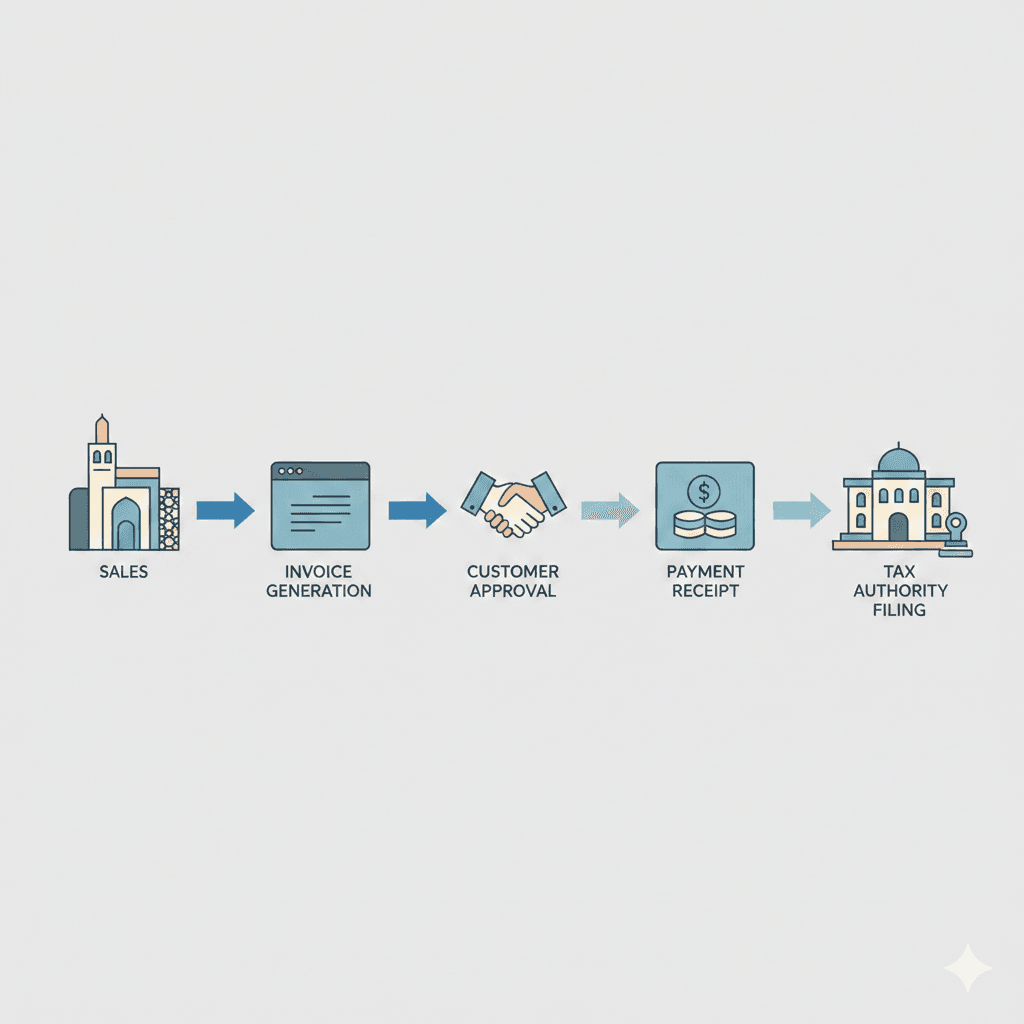
VAT compliance for education providers in Muscat involves a multifaceted process extending beyond simple tax filings. Institutions must maintain accurate and detailed records of tuition fees, ancillary charges, and any taxable supplies made. Since education services might blend exempt and taxable elements, proper invoicing becomes a vital compliance tool. VAT invoices need to clearly distinguish between exempt and taxable amounts to avoid confusion during tax audits. For finance managers in SMEs, implementing robust accounting systems aligned with Oman VAT guidelines is essential for smooth compliance and audit readiness.
Additionally, education providers are required to submit timely VAT returns to the Oman Tax Authority, reflecting their output VAT and allowable input VAT credits. Non-compliance with deadlines or inaccurate reporting can lead to penalties, interest, and reputational damage, which are particularly harmful for SMEs operating with limited cash flow. Regular internal audits and VAT reconciliations should be incorporated into the financial governance of education entities. Leaderly’s audit and accounting services are designed to support education providers in establishing these internal controls, thereby mitigating risk and enhancing transparency in VAT processes.
One critical compliance factor is the proper treatment of VAT on mixed supplies. For example, when an education provider offers both exempt academic programs and taxable professional workshops, apportioning VAT becomes complex. Muscat-based institutions must adopt sound methods for VAT allocation on shared costs and inputs. Such practices require not only technical VAT knowledge but also practical accounting judgment. SME owners and finance managers benefit from VAT advisory consultations to develop compliant apportionment models that align with the Oman VAT law and withstand regulatory scrutiny.
Leveraging VAT Advisory for Strategic Growth in Education
Beyond compliance: Using VAT insights to enhance education business models
VAT for education providers in Muscat is not merely a regulatory hurdle but also a strategic financial consideration. Proper VAT planning can unlock cash flow improvements and support investment in growth initiatives, such as curriculum development or infrastructure expansion. Leaderly’s advisory services extend beyond compliance, offering feasibility studies and due diligence to assess the VAT implications of new education projects or partnerships. For SMEs, understanding the VAT impact on transactions such as mergers, acquisitions, or service expansions is crucial for making informed business decisions.
Furthermore, VAT input recovery optimization is a key area where education providers can improve financial outcomes. Many operational expenses, including facility maintenance, teaching materials, and professional services, may carry VAT that can be reclaimed if the education provider is properly registered and compliant. Without expert guidance, SMEs risk either losing out on these recoveries or facing VAT assessments due to incorrect input claims. Leaderly helps education businesses analyze their input VAT eligibility carefully and implement compliant claims to enhance profitability while reducing tax exposure.
Finally, compliance with VAT regulations instills confidence among stakeholders, including investors, parents, and regulatory bodies. For SME founders and business owners in Muscat’s education sector, building a reputation of financial transparency supported by rigorous VAT compliance can differentiate their institution in a competitive market. Leaderly’s comprehensive support—covering audit, tax, and advisory—empowers education providers to integrate VAT compliance into their operational excellence, laying a foundation for sustainable and credible growth.
VAT Impact on Tuition Fees and Educational Services Pricing
Balancing affordability and compliance in Muscat’s education market
One of the pressing challenges for education providers in Muscat under VAT regulations is how VAT affects tuition fees and the overall pricing strategy. Since certain education services are exempt, many providers can avoid charging VAT directly on tuition, helping keep fees competitive. However, where VAT applies—such as on non-academic services like sports programs, transportation, or corporate training—business owners must carefully structure pricing to comply without deterring customers. SME finance managers must analyze cost structures and VAT implications holistically to balance compliance with affordability.
This pricing challenge becomes more acute for smaller education providers competing against government and larger private institutions. Incorporating VAT into service pricing requires detailed financial planning to avoid underestimating tax liabilities or overcharging customers, which could hurt reputation. SME leaders should consider scenarios where voluntary VAT registration and input VAT recovery can offset costs and improve cash flow, allowing more flexible fee structures. Leaderly’s advisory role includes modeling the VAT impact on pricing and assisting education providers in navigating these complexities with confidence.
Moreover, the evolving regulatory environment requires education providers to stay vigilant about changes to VAT rules or new government guidelines affecting the sector. SME owners and finance teams should engage regularly with VAT professionals to monitor these developments and adjust their compliance approaches accordingly. Leaderly offers continuous support and updates tailored for education providers in Muscat, ensuring that VAT strategies remain aligned with the latest legal frameworks, thereby securing financial stability and market competitiveness.
Practical Challenges and Solutions in VAT Reporting for Education SMEs
Addressing common hurdles in VAT documentation and audits
Education providers in Muscat often face practical challenges in VAT reporting, especially SMEs with limited administrative resources. One frequent issue is the separation of exempt and taxable revenue streams in financial records, which can complicate VAT return preparation. Manual processes or inadequate accounting software often result in errors, incomplete data, and audit risks. Finance managers must prioritize investment in reliable accounting systems and staff training to streamline VAT compliance. Leaderly’s audit and accounting expertise offers tailored solutions that simplify these processes while ensuring adherence to Oman VAT law.
Another challenge is managing VAT documentation during tax audits. Oman’s Tax Authority increasingly scrutinizes education providers to ensure proper VAT treatment, making transparency and record-keeping essential. SMEs must maintain invoices, contracts, and correspondence that clearly demonstrate the VAT status of supplied services. Without rigorous documentation, education providers risk penalties or disallowed input VAT claims. Leaderly guides clients in establishing comprehensive VAT record-keeping frameworks that support smooth audits and minimize disputes.
Lastly, reconciling VAT on mixed supplies and multi-service offerings remains a technical hurdle for many education SMEs. Determining the correct VAT rate and apportionment methods requires both specialized knowledge and practical experience. Erroneous VAT treatment can trigger adjustments and fines, straining financial resources. Leaderly’s VAT advisory services include detailed reviews of service classifications and customized compliance strategies, empowering education providers to manage VAT complexities confidently and maintain regulatory harmony.
In conclusion, VAT for education providers in Muscat demands a thorough understanding of Oman’s tax regulations, meticulous compliance processes, and strategic financial planning. Education SMEs benefit significantly from expert guidance that helps distinguish exempt from taxable services, ensures accurate VAT reporting, and maximizes input VAT recovery. With the right approach, VAT compliance can transition from being a burdensome obligation to a tool for financial efficiency and institutional credibility.
By integrating VAT considerations into their core financial operations, education providers in Muscat can better navigate regulatory challenges, protect their cash flow, and foster sustainable growth. Partnering with advisory and audit professionals like Leaderly ensures that VAT compliance aligns seamlessly with business goals, enabling education SMEs to focus on delivering quality learning experiences while confidently managing their fiscal responsibilities.
#Leaderly #VATforEducationProvidersinMuscat #Oman #Muscat #SMEs #Accounting #Tax #Audit