VAT in Construction Muscat: Understanding Retentions, Variations, and Progress Billing
Understanding VAT in Construction Muscat
The Essentials of VAT in Construction Projects
VAT in Construction Muscat presents unique challenges that require careful management by business owners, SME founders, and finance managers operating in Oman’s dynamic construction sector. Construction projects typically involve multiple stages, varying contract terms, and complex billing practices, making VAT compliance a critical concern. One key aspect is understanding how VAT applies to retentions, contract variations, and progress billing — each impacting cash flow and accounting procedures differently. These elements are especially significant because construction contracts often involve long timelines and frequent changes, making straightforward VAT treatment difficult without proper knowledge. SMEs need to ensure their VAT handling aligns with Omani regulations to avoid penalties and optimize their financial operations.
Retentions and Their VAT Implications
How Holding Back Payments Affects VAT Accounting
In Muscat’s construction industry, retentions are a common practice where a portion of payment is withheld until the project or a phase is satisfactorily completed. For VAT purposes, this retained amount still counts as part of the taxable supply even if the payment is deferred. This means businesses must account for VAT on the full invoiced amount, including retentions, when issuing tax invoices. Failure to do so could lead to discrepancies in VAT returns and potential fines. From a cash flow perspective, companies should plan for VAT payments before actually receiving the retained funds, which requires sound financial forecasting and careful bookkeeping. Leaderly’s advisory services can help SMEs navigate these complexities to ensure compliance and maintain liquidity throughout the contract lifecycle.
Managing Contract Variations with VAT
Adjusting VAT When Project Scope Changes
Contract variations — changes to the original scope, quantities, or specifications — are inevitable in construction projects in Muscat. Each variation can alter the contract value, thus affecting the VAT calculation. Proper documentation and timely invoicing for variations are essential to accurately reflect VAT obligations. Variations may either increase or reduce the taxable amount, and businesses must issue VAT-compliant invoices for these adjustments promptly. SMEs should be aware that delays or inaccuracies in handling variations can disrupt VAT filing accuracy and cash flow management. Leaderly’s expertise in tax advisory supports clients by offering practical guidance on documenting and processing variations effectively, minimizing risk and ensuring regulatory adherence.
Progress Billing and Its VAT Considerations
Recognizing VAT Through Staged Payments
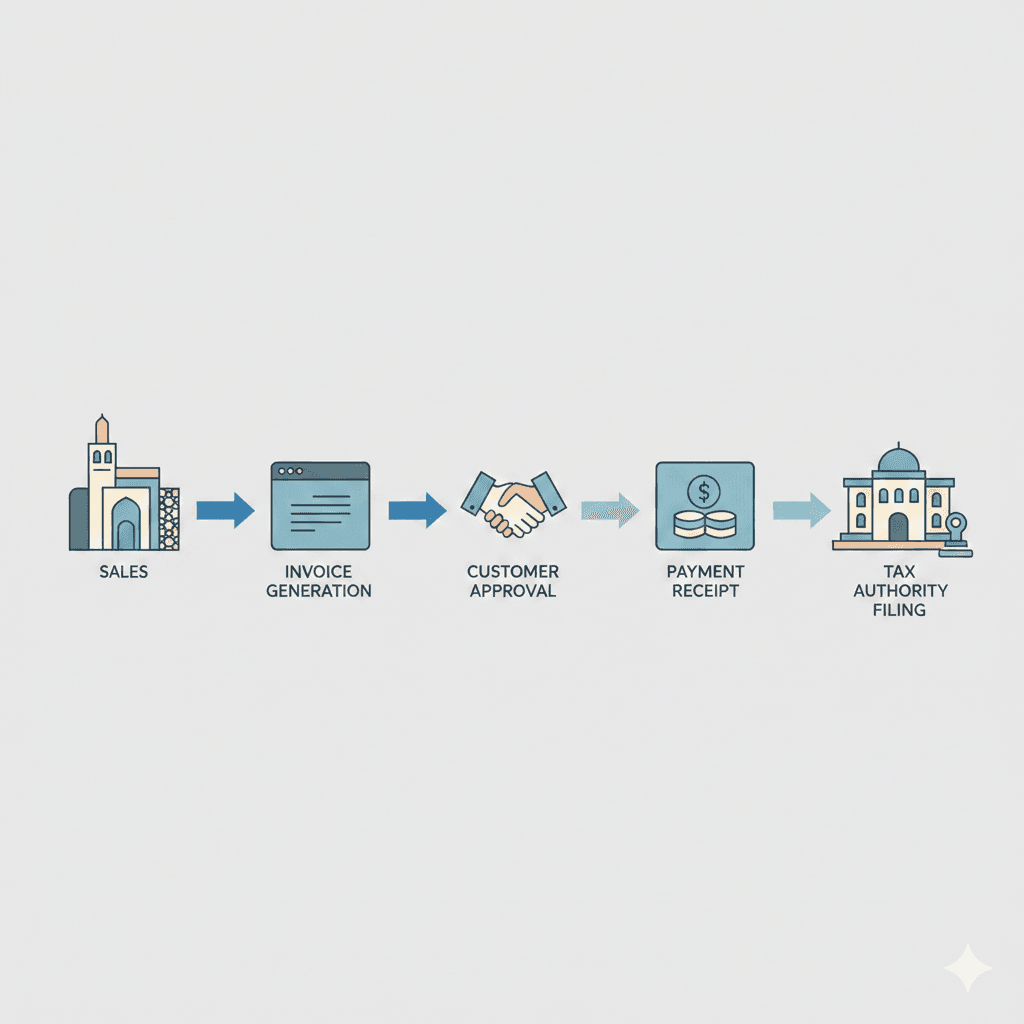
Progress billing is widely used in Oman’s construction sector to invoice clients incrementally as work advances. VAT treatment in progress billing demands precision because each invoice issued must reflect the VAT on the value of work completed to date. This method requires robust accounting systems that can track partial deliveries and correlate them with VAT returns accurately. Mismanagement can lead to VAT being under or over-declared, causing compliance issues and affecting working capital. For SMEs, integrating VAT into progress billing seamlessly is essential to maintain financial health and client trust. Leaderly’s audit and accounting services assist businesses in implementing systems that ensure progress billing is compliant, transparent, and efficient.
Impact of VAT on Cash Flow in Construction
Strategies to Mitigate VAT-Related Cash Flow Pressures
The nature of VAT in construction, especially in Muscat, directly influences cash flow due to the timing differences between invoicing, VAT payment, and receipt of funds. Retentions and progress billing mean that VAT is often due before full payment is received, creating a cash flow gap that SMEs must manage strategically. Understanding these VAT timing issues allows business owners and finance managers to plan working capital needs effectively. Utilizing advisory services focused on feasibility and liquidity planning helps construction firms anticipate VAT outflows and avoid financial strain. Leaderly’s comprehensive approach to VAT management supports SMEs by aligning tax obligations with operational realities, ensuring sustained business growth.
Ensuring Compliance Through Accurate VAT Reporting
Best Practices for SMEs in Muscat’s Construction Sector
Compliance with Omani VAT law is non-negotiable for construction companies in Muscat. Accurate record-keeping of retentions, variations, and progress billings ensures the correct VAT is reported and paid. SMEs should invest in proper accounting software or expert consultancy to handle the complex nature of construction VAT. Misreporting VAT can lead to audits, penalties, and damage to business reputation. By adopting disciplined financial controls and regular reviews, businesses can safeguard themselves from compliance risks. Leaderly’s audit services provide an independent review of VAT processes, helping SMEs detect and correct issues early, thus fostering confidence among clients and regulators alike.
The integration of VAT into Muscat’s construction contracts through retentions, variations, and progress billing requires a thorough understanding and proactive management by SMEs. These VAT elements significantly impact financial operations, making it essential to approach them with precision and clarity.
Business owners and finance managers who embrace these complexities with sound strategies, supported by professional advisory and audit services, position their companies for compliance and success. In the competitive construction sector of Oman, mastering VAT nuances is not just a regulatory necessity but a strategic advantage that strengthens financial health and operational resilience.
#Leaderly #VATinConstructionMuscat #Oman #Muscat #SMEs #Accounting #Tax #Audit