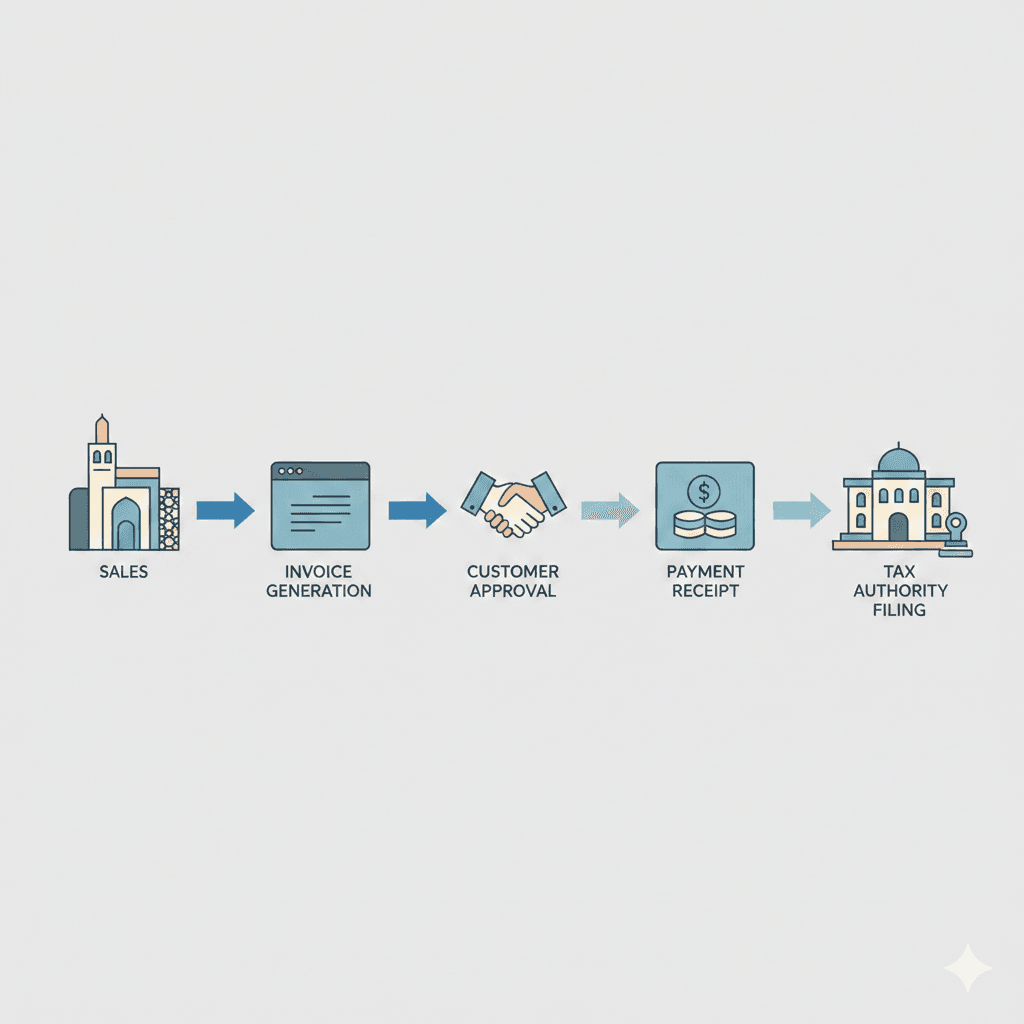
Segregation of Duties in Small Muscat Teams: Practical Strategies for SMEs
Understanding Segregation of Duties in Muscat SMEs
Why Segregation of Duties Matters
Segregation of Duties (SoD) in small Muscat teams is a critical control mechanism that helps prevent errors and fraud within business processes, especially in finance and accounting. In SMEs where teams are small and resources limited, fully segregating tasks such as authorization, custody, and record-keeping is often impractical. However, understanding the core principles of SoD and its importance in Oman’s regulatory and commercial environment empowers business owners and finance managers to design workable alternatives. SoD ensures that no single individual has unchecked control over critical transactions, reducing risks and improving accountability, which aligns closely with the compliance expectations prevalent in Muscat’s business sector.
Common Challenges for Small Muscat Teams
Operating SMEs in Muscat presents unique challenges for implementing traditional SoD frameworks. Many small teams juggle multiple roles, often requiring individuals to manage tasks that ideally should be split among different people. This overlap can increase the risk of errors or intentional manipulation, particularly when financial transactions are concerned. Compounding the challenge, small businesses in Oman often lack access to advanced internal control systems or external audit support, leaving gaps in oversight. Despite these limitations, small teams can adopt creative approaches to maintain strong controls without burdening their operations or requiring significant additional staffing.
Legal and Regulatory Context in Oman
Muscat-based SMEs must navigate Oman’s evolving regulatory landscape, which increasingly emphasizes internal controls and risk management as part of compliance with VAT and corporate tax obligations. The Oman Tax Authority and other regulators expect firms to demonstrate adequate controls to ensure financial accuracy and transparency. Therefore, even small businesses must consider segregation principles seriously, adapting them to fit their scale. Understanding these legal expectations helps SME leaders prioritize risk mitigation measures that are both practical and compliant, safeguarding their operations from costly penalties or reputational damage.
Workarounds for Segregation in Small Teams
Implementing Controls Through Rotation and Oversight
Given the reality of small teams in Muscat, practical workarounds for segregation of duties often include introducing periodic rotation of responsibilities among staff. This approach minimizes the risk of collusion or sustained errors by ensuring that no single person remains in control of critical processes continuously. Supplementing this, business owners or finance managers can increase oversight by regularly reviewing transactions, approvals, and reconciliations. Establishing a clear chain of review helps simulate segregation and strengthens control without requiring additional hires.
Leveraging Technology for Control Automation
Muscat SMEs can benefit significantly from adopting affordable financial management software that incorporates built-in control features aligned with segregation principles. Many cloud-based platforms offer role-based access controls, automated approval workflows, and audit trails that provide transparency and reduce manual intervention risks. These technologies are especially valuable for small teams as they allow segregation tasks to be embedded in the system, helping to maintain internal controls consistently and efficiently. Integrating such tools with Leaderly’s advisory on feasibility and compliance ensures optimal use and adherence to Omani regulations.
Outsourcing and Advisory Support as a Control Alternative
Another effective workaround for small Muscat teams is to outsource certain functions like payroll, accounts reconciliation, or VAT filings to reputable third-party providers. By doing so, SMEs introduce an additional layer of independent verification and control. Leaderly’s advisory services in due diligence and liquidation also assist businesses in structuring their internal controls to fit their operational realities, ensuring that compliance is balanced with efficiency. This approach is a practical solution for resource-constrained SMEs needing to uphold segregation of duties without expanding their internal workforce excessively.
Conclusion
Segregation of duties in small Muscat teams is undeniably challenging but essential for robust risk management and regulatory compliance. While traditional SoD frameworks may not be fully applicable in SMEs, practical workarounds like task rotation, enhanced oversight, and leveraging technology can significantly mitigate risks associated with limited staffing. By adapting segregation principles thoughtfully, Muscat-based SMEs can protect their financial integrity and operational transparency effectively.
These strategies, coupled with strategic advisory support, empower business owners and finance managers to create resilient control environments that align with Oman’s evolving regulatory requirements. With clear planning and practical implementation, SMEs in Muscat can navigate the balance between operational constraints and strong governance, ensuring sustainable growth and confidence among stakeholders.
#Leaderly #SegregationOfDutiesInSmallMuscatTeams #Oman #Muscat #SMEs #Accounting #Tax #Audit